Skip to content
Emnel Adventures Africa

A journey shaped around you

Great Migration Safaris

Be in the right place when the herds arrive.

Private Great Migration safaris in the Serengeti, timed to the season and positioned where the wildebeest are likely to be, from the calving plains of Ndutu to the river crossings of the north.

  • Timed to the season, not a fixed date
  • Camps positioned near the herds
  • Private vehicle, so you can wait at the river
  • Planned in Arusha by the team who runs it

Overview

The Greatest Wildlife Spectacle on Earth

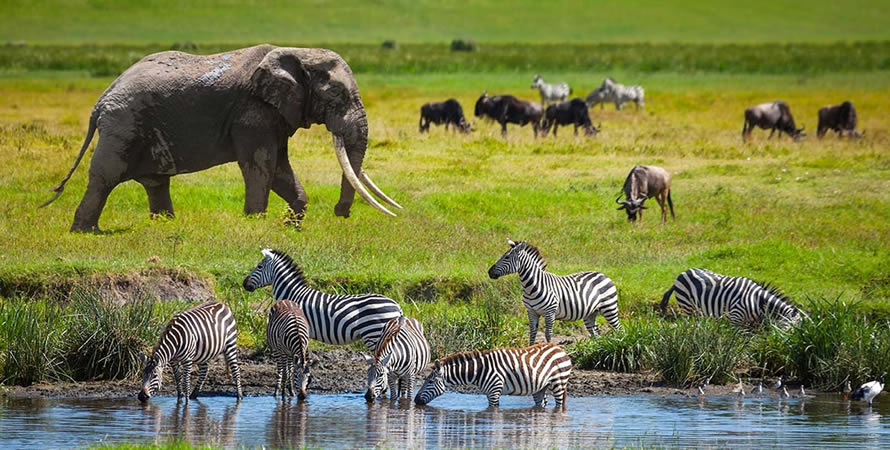
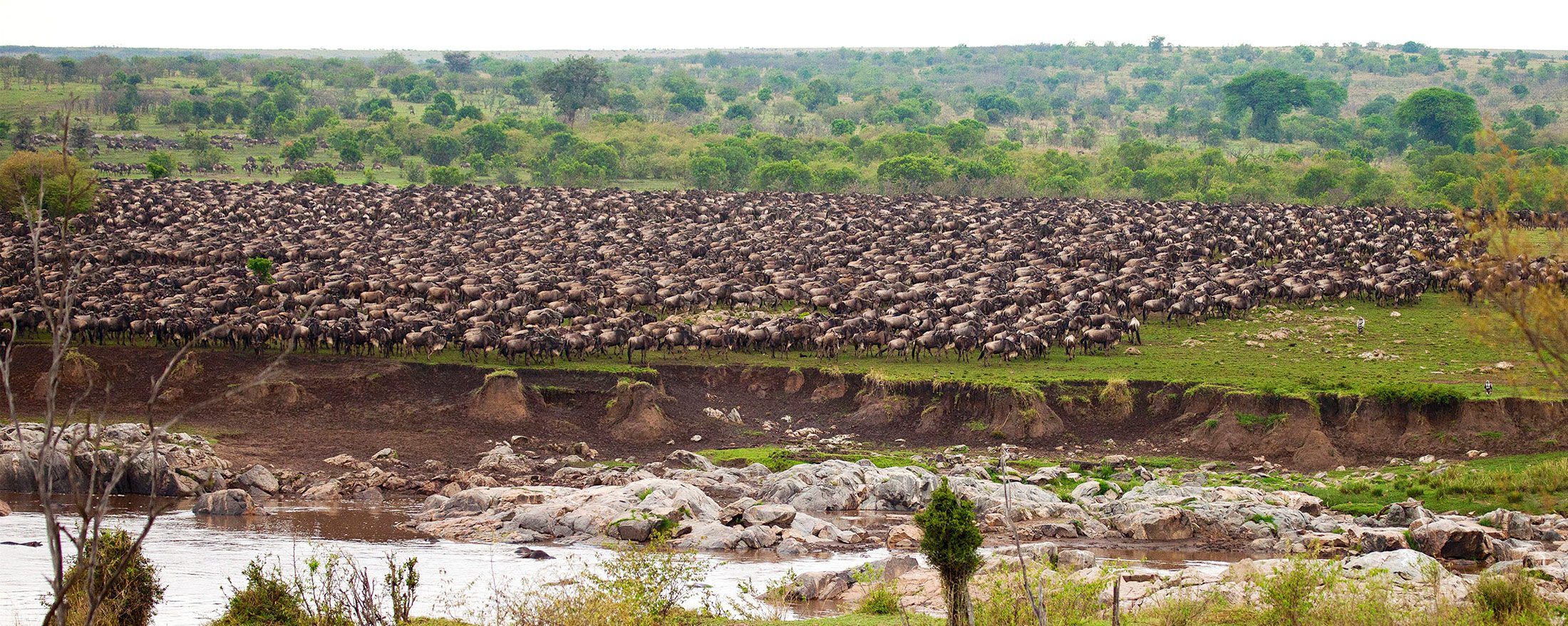
Every year, well over a million wildebeest, with hundreds of thousands of zebra and gazelle, move in a great loop through the Serengeti ecosystem in search of fresh grazing. Predators follow every step. Seeing it is the reason many travellers come to Tanzania, and timing is everything.

A Great Migration safari is different from a classic safari in one important way: where you sleep matters. The Serengeti is vast, and a camp in the wrong area can mean hours of driving to reach the herds. We plan your route around the month you travel and place you in the area where the herds are most likely to be.

The migration follows the rain, not the calendar, so no one can promise exactly where the herds will be on a given day. What we can promise is honest advice, the right area for your dates, and a private vehicle and guide with the patience to wait for the moment.

Designed around you

Everything this trip is built around

What travellers like you tell us matters most, and what every itinerary in this style is planned to deliver.

  • See the Great Migration at its best
  • Be positioned where the herds are, not a long drive away
  • River crossings or the calving season
  • A private vehicle so we can wait at the river
  • A camp in the right area for our dates
  • Honest advice on timing
  • Time to combine the migration with the rest of Tanzania

Month by month

Where the Herds Are Through the Year

December to March: the calving season

Best forfirst-time visitors, photographers and anyone who wants big herds without the river-crossing crowds.

Camps we use, Mid-Luxury: Ndutu Safari Lodge, Ndutu Heritage Camp, Ndutu Kati Kati Tented Lodge.

Where
the short-grass plains of the southern Serengeti and the Ndutu area.
What you see
hundreds of thousands of calves born within a few weeks, usually peaking in February, with outstanding predator action.
Luxury
Lake Ndutu Luxury Safari Lodge, Lake Masek Tented Lodge, Nyikani Migration Camp.
Ultra Luxury
Mwiba Lodge, Olakira Migration Camp.
April and May: on the move

Where
the herds begin moving north and west through the central Serengeti.
What you see
long columns on the move through green landscapes, with very few other vehicles.
Note
the long rains bring wet roads, and some camps close.
Camps we use
our central Serengeti camps, from Tukaone (Classic) and Tamu Tamu Central (Mid-Luxury) to Kubu Kubu (Luxury) and Four Seasons (Ultra Luxury).

June and July: the western corridor

Best fortravellers who want crossings without the busiest northern season.

Camps we use, Ultra Luxury: One Nature Nyarusigwa, in the western corridor itself.

Or a central Serengeti camp, with full days out to the Grumeti.

Where
the western Serengeti and the Grumeti River.
What you see
the first river crossings of the year, often with large crocodiles waiting.

August to October: the northern river crossings

Camps we use, Mid-Luxury: Mara Under Canvas, Tamu Tamu Kogatende.

Where
the far north of the Serengeti, along the Mara River.
What you see
the famous Mara River crossings, among the most dramatic sights in Africa.
Book early
northern camps for these months fill up a year or more ahead.
Luxury
Mara Mara Tented Camp, Ole Serai Luxury Camp.
Ultra Luxury
Sayari Camp, Singita Mara River Tented Camp, One Nature Mara River, Kuria Hills Lodge.

November: the return south

Where
the herds move back south through the eastern and central Serengeti as the short rains begin.
What you see
herds on the move with fewer visitors and good value.
Camps we use
central Serengeti camps such as Nyikani Central, Kati Kati Tented Lodge and Serengeti Sametu.

Planning well

How We Plan a Migration Safari

01

Start with the month

Your travel dates decide the area. We tell you honestly what each month offers and which part of the park to aim for.

02

At least three Serengeti nights

The herds can move several kilometres in a day. Three nights or more gives you time to find them and stay with them.

03

Fly in where it saves time

For the far north or the west, a light-aircraft flight can save a full day of driving each way.

04

Book the camp early

The best-positioned camps for the calving season and the northern crossings fill months, sometimes a year, ahead.

Comfort levels and cost

How Much Does a Great Migration Safari Cost?

On a migration safari, the month, the area and the camp shape the price far more than on any other safari. The calving plains and the far north in peak season carry the highest rates, and fly-in access adds cost but saves days of driving. We quote every migration safari for your exact dates. All prices are per person.

Classic safari accommodation Best value

Classic

From · USD

$350.00

per person, sharing, per day

Central Serengeti camps such as Tukaone and Golden Safari Camps, with full-day drives out to the herds.

Mid-Luxury safari accommodation Positioned for the season

Mid-Luxury

From · USD

$450.00

per person, sharing, per day

Camps positioned for your month, such as Ndutu Kati Kati for calving or Tamu Tamu Kogatende for the crossings. Peak months cost more.

Luxury safari accommodation Exceptional settings

Luxury

From · USD

$700.00

per person, sharing, per day

Lake Masek, Nyikani Migration Camp, Kubu Kubu, Mara Mara or Ole Serai. Peak months in Ndutu and the north cost more.

Ultra Luxury safari accommodation Price on request

Ultra Luxury

Tailor-made pricing

Request a quote

The finest migration camps in Tanzania, usually reached by light aircraft: Mwiba Lodge and Olakira for calving, Four Seasons and Dunia in the centre, One Nature Nyarusigwa in the west, and Sayari, Singita Mara River, One Nature Mara River and Kuria Hills in the north.

Where We Stay, and Why It Matters

We work only with camps we have chosen ourselves, and on a migration safari the choice is about position as much as comfort. In the calving season we stay around Ndutu and Lake Masek, on the edge of the short-grass plains. For the river crossings we move to Kogatende and Lamai in the far north, close to the Mara River, at camps such as Sayari Camp. Through the rest of the year our central Serengeti camps, including Tukaone Hembe, Tukaone Mwaloni, Tamu Tamu, Nyikani Central, Kati Kati, Kubu Kubu, Dunia Camp and Four Seasons, keep you within reach of the herds.

Seasonal mobile camps follow the migration and are booked out early, so tell us your month as soon as you can and we will hold the best-positioned option for you.

Tell Us Your Dates, and We Will Tell You Where to Be

Share your travel month and how long you have, and we will recommend the right area, the right camp and a clear price per person.

Combining the Migration with the Rest of Tanzania

Most migration safaris also include the Ngorongoro Crater, and in the dry months Tarangire is superb. Many guests then fly on to Zanzibar; see our Tanzania safari and Zanzibar holidays. If you would also like to see the Masai Mara side of the ecosystem, our Grand East Africa Journeys cross into Kenya. For month-by-month detail, read our Tanzania safari guide.

How It Works

  1. 01

    Tell us what you have in mind

    Share your dates, who is travelling and what you most want to see. If you are not sure yet, that is a perfectly good place to start.

  2. 02

    Receive your proposal

    Nelson designs a personal route with named lodges for your chosen comfort level and a clear price per person.

  3. 03

    Refine it together

    Adjust the pace, the parks or the lodges until it feels right. Nothing is confirmed until you are happy.

  4. 04

    Prepare with confidence

    Once confirmed, you receive a pre-departure guide covering visas, health, packing and what to expect each day.

  5. 05

    Travel

    We meet you at Kilimanjaro Airport, and our own team looks after you from the first game drive to your departure.

What's Included in Your Migration Safari?

Included

  • Private safari vehicle
  • Professional English-speaking safari guide
  • Accommodation according to your selected itinerary
  • Meals according to the accommodation booked
  • Game drives and safari activities specified in your itinerary
  • National park and conservation fees applicable to the itinerary
  • Airport transfers where specified
  • Drinking water during safari
  • Government taxes and applicable safari fees
  • Pre-trip planning and itinerary support

Not included

  • International flights
  • Travel insurance
  • Tanzania visa fees
  • Personal expenses
  • Tips and gratuities
  • Alcohol and premium drinks where not included
  • Optional activities not specified in the itinerary
  • Domestic flights unless specifically included in your proposal

Questions

Great Migration Safari FAQs

12 questions answered

Something we haven't covered? Ask us directly — a member of the team replies personally.

Ask a question

When is the best time to see the Great Migration?

It depends on what you want to see. January to March is the calving season in the southern Serengeti. August to October brings the Mara River crossings in the north. June and July are often good for crossings in the western corridor.

Are river crossings guaranteed?

No. Crossings depend on the herds and the rain, and can happen at any hour. Spending several nights near the river and having a private vehicle gives you the best chance.

How many nights should we spend in the Serengeti?

At least three nights, and ideally four or more for the river crossings.

Is the migration in Tanzania or Kenya?

Both. The herds spend most of the year in Tanzania’s Serengeti and cross into Kenya’s Masai Mara for part of the dry season, roughly August to October.

How far ahead should we book?

For the calving season and the northern crossings, nine to twelve months ahead gives you the best choice of camps.

Can we see the migration with children?

Yes. The calving season is especially rewarding for families. See our Tanzania family safaris for family-friendly routes.

What does a private Tanzania safari cost?

It depends mainly on the season, the number of days and the lodges you choose. Our private northern-circuit itineraries start from about US$3,100 per person for five days in Classic comfort, and rise with Mid-Luxury and Luxury camps. Park and conservation fees are set by the government and make up a significant share of every safari, and they are included in our prices. Every itinerary page shows a starting price per person, and we quote exactly for your dates.

Is every Emnel safari private?

Yes. You have your own vehicle and your own guide for the whole safari, and the daily pace, start times and stops are set around you, never around a group.

Who will our guide be?

One of Emnel's own guides. The team that plans your safari is the team that runs it. About two weeks before you arrive, we send your trip companion, with your guide's details and everything else you need for the journey.

When is the best time to go on safari in Tanzania?

Tanzania offers excellent game viewing all year. June to October is the classic dry season, with easy game viewing and the migration in the north. January to March brings the calving season in the southern Serengeti. The long rains of April and May are quieter and greener, and some camps close. We will recommend the best timing and route for what you most want to see.

How does booking work?

Tell us your dates and ideas, and we will design an itinerary and send a detailed proposal. To confirm, we ask for a 30% deposit plus any domestic flights, which are issued on confirmation. You then receive your official confirmation, and about two weeks before you travel, your trip companion with every final detail.

Can we add Zanzibar to our safari?

Yes. A short flight from the Serengeti or Arusha takes you to Zanzibar's beaches. We recommend at least one night in Stone Town alongside your beach stay.

Let's Plan Your Great Migration Safari

Tell us when you would like to travel and what you most hope to see. Nelson will design the route and send you a clear price.

  • Timed to your month
  • Camps positioned near the herds
  • Designed by the team who runs it
  • Reply from Nelson within 24 hours