Best Seller
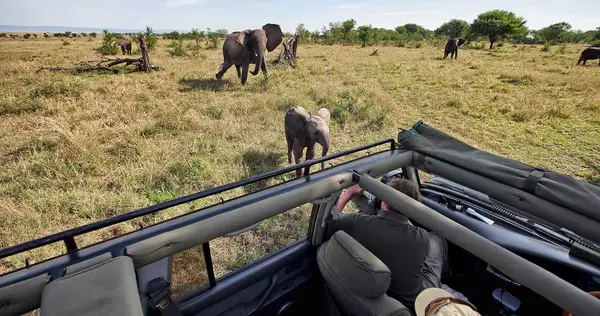
Tanzania 10-Day Serengeti Safari & Zanzibar from Dubai
Tanzania·Classic·10 days, 9 nights
Beach extension Family friendly
Perfect for couples & families
From
$3,150.00pp
10 days, 9 nights

East Africa · Tanzania
Serengeti National Park is Tanzania's legendary wildlife destination, famous for the Great Wildebeest Migration, exceptional big-cat sightings and vast open plains. Explore the Serengeti on a private safari designed around the season, wildlife movements and your travel style.
Overview
Serengeti National Park is one of Africa's most remarkable wildlife destinations and the heart of Tanzania's Northern Safari Circuit.
From endless golden plains and granite kopjes to woodland, river valleys and seasonal grasslands, the Serengeti supports an extraordinary diversity of wildlife throughout the year.
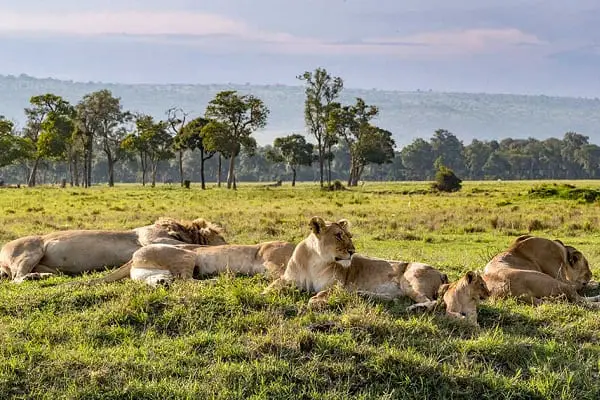
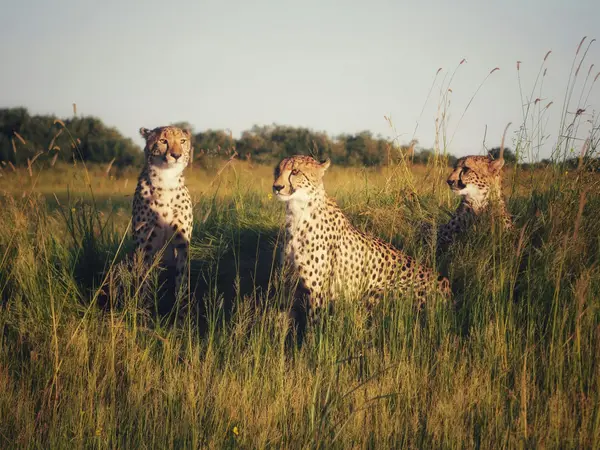
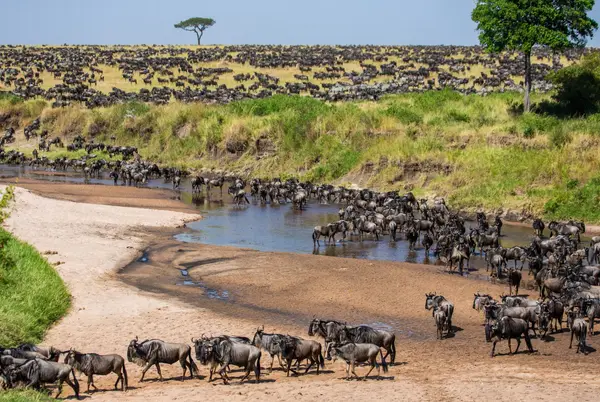
It is best known as the stage for the Great Wildebeest Migration, when millions of wildebeest and zebra move through the wider Serengeti–Mara ecosystem in search of fresh grazing and water. But the Serengeti is far more than the migration. Resident lions, leopards, cheetahs, elephants, buffalo, giraffes, hyenas and hundreds of bird species make the park rewarding in every season.
At Emnel Adventures, we design private Serengeti safaris around when you travel, what you want to see and how you want to experience the wilderness. That may mean following the migration in Northern Serengeti, focusing on calving season around Ndutu, exploring the wildlife-rich Seronera Valley or choosing a quieter and more remote part of the ecosystem.
Whether you are planning your first Tanzania safari, a family adventure, a honeymoon or a luxury wildlife journey, the Serengeti can be tailored around your time, interests and preferred level of comfort.
Exceptional wildlife · A photographer’s favourite · Great for families · Luxury lodges & camps
Country
Tanzania
Circuit
East Africa
Guide price
From $350.00
How Serengeti National Park scores
Compare allThe travel guide
Serengeti at a glance
The Serengeti National Park is not simply a place to see wildlife. It is a vast living ecosystem where the landscape, rainfall, grazing and movement of animals are constantly changing.
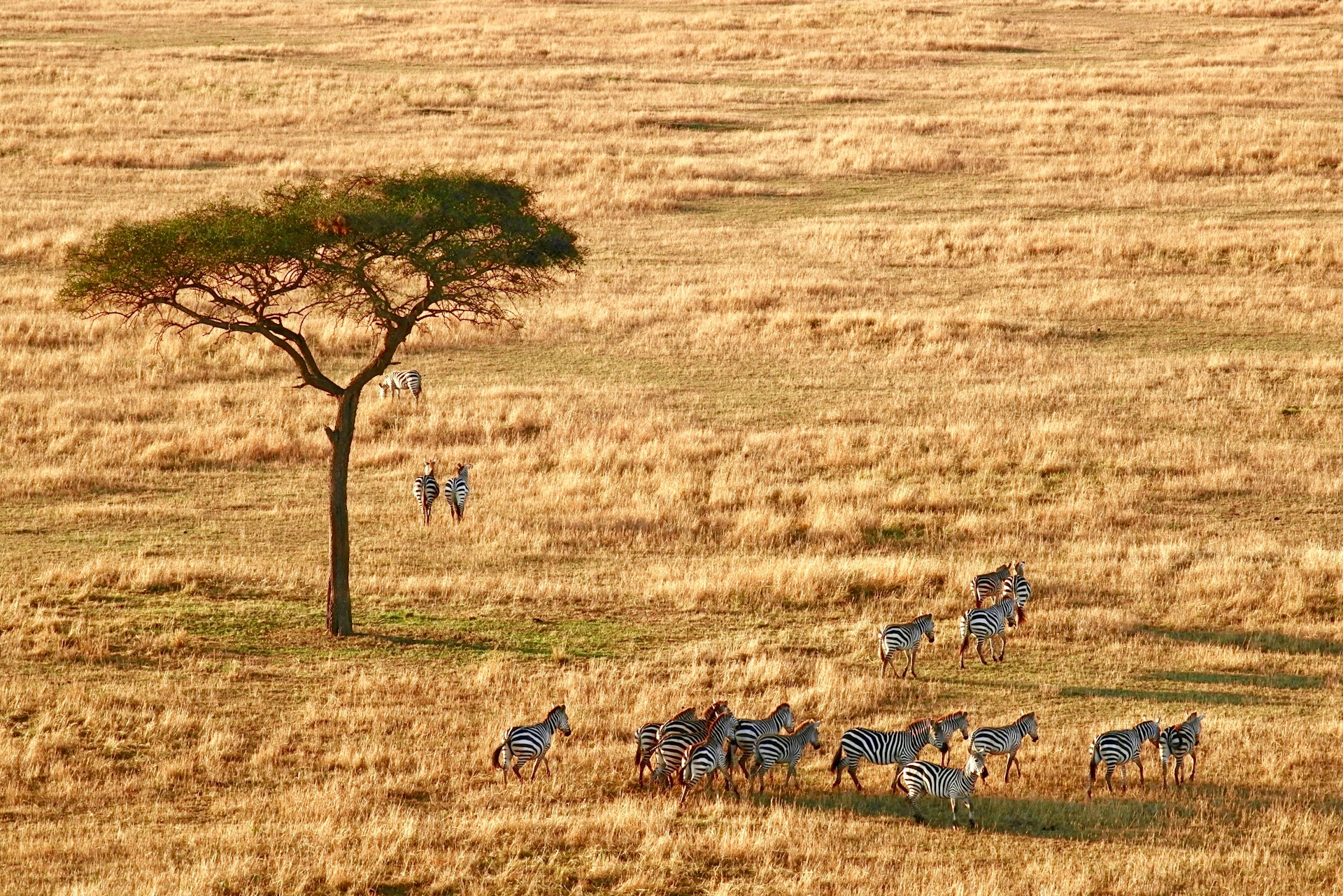
The park is famous for the Great Wildebeest Migration, but its resident wildlife makes it an exceptional safari destination throughout the year. Large prides of lions, elusive leopards, cheetahs, elephants, buffalo, giraffes and spotted hyenas can all be encountered across different regions.
The experience also changes depending on where you stay. Central Serengeti offers reliable year-round wildlife viewing, southern Serengeti and Ndutu become particularly important during calving season, while Northern Serengeti is central to the later stages of the migration.
This is why we believe the most important part of planning a Serengeti safari is not simply choosing a beautiful camp. It is choosing the right region for your dates and the experience you want.
Whether you are planning your first Tanzania safari, a family safari, a honeymoon or a luxury Tanzania safari, the Serengeti can be tailored around your time, interests and preferred level of comfort.
| Region | Best for | Character |
|---|---|---|
| Central Serenget | Year-round wildlife, big cats, first-time visitors | Accessible, wildlife-rich |
| Region Best for Character Central Serengeti Year-round wildlife, big cats, first-time visitors Accessible, wildlife-rich Southern Serengeti & Ndutu | Calving season, predators, photography | Open plains |
| Northern Serengeti | Migration, Mara River, remote safaris | Rugged and quieter |
| Western Corridor | Migration, Grumeti region | Woodland and river landscapes |
| Eastern Serengeti | Solitude, fewer vehicles | Remote and open |
Region
Central Serenget
Region
Region Best for Character Central Serengeti Year-round wildlife, big cats, first-time visitors Accessible, wildlife-rich Southern Serengeti & Ndutu
Region
Northern Serengeti
Region
Western Corridor
Region
Eastern Serengeti
| Period | What happens | Best for |
|---|---|---|
| January–March | Calving season in the south and Ndutu | Calves, predators, photography |
| April–May | Green season and long rains | Landscapes, value, fewer visitors |
| June–July | Herds move north and west | Migration, wildlife |
| August–October | Northern Serengeti and Mara region | Migration, possible river crossings |
| November–December | Short rains and fresh grazing | Green landscapes, wildlife |
Period
January–March
Period
April–May
Period
June–July
Period
August–October
Period
November–December
Guide's Tip
The Great Migration does not follow a fixed calendar. Rainfall and grazing conditions influence where the herds are at any given time. We therefore plan around your travel dates and the seasonal pattern rather than promising a specific sighting.
2 nights can work for a short Northern Circuit safari, especially when Serengeti is combined with Ngorongoro and Tarangire.
3 nights is a strong choice for a first Serengeti safari and gives you time for several game drives without making the itinerary unnecessarily long.
4 nights allows greater flexibility and is our preferred starting point for travellers who want to experience the Serengeti properly.
5 nights or more works particularly well for photographers, serious wildlife enthusiasts and travellers who want to explore more than one region.
Our advice: don't measure a Serengeti safari only by how many places you can visit. Having enough time in one area gives your guide greater flexibility to respond to wildlife movements and changing conditions.
The Great Wildebeest Migration is one of the world's most extraordinary wildlife spectacles, but it is important to understand that it is not a single event.
More than a million wildebeest, together with large numbers of zebra and other grazing animals, move through the wider Serengeti–Mara ecosystem in response to rainfall, fresh grass and water.
Depending on when you travel, you may experience calving in the south, large herds moving across the central plains, the migration through the Western Corridor or herds gathering in Northern Serengeti.
River crossings can occur during the northern migration period, but they are completely natural events and cannot be guaranteed on a particular day.
Did You Know?
The migration never really stops. While travellers often think of the Great Migration as a Mara River crossing, the herds are moving throughout the year. The location changes with rainfall, grazing and water availability.
Where you stay can be just as important as which safari route you choose.
At Emnel Adventures, we select camps and lodges according to location, season, comfort, atmosphere and access to the areas you are most likely to explore.
A luxury camp in the wrong region may be less suitable for your safari than a simpler camp in exactly the right location.
Our accommodation options range from comfortable safari camps to premium lodges and luxury tented camps, allowing us to design the Serengeti experience around different travel styles and budgets.
| Safari style | Starting from | Suitable for |
|---|---|---|
| Essential | US$350 pp/day | Comfortable camps and value-conscious private safaris |
| Mid-Luxury | US$450 pp/day | Higher-comfort lodges and camps |
| Luxury | US$550 pp/day | Premium camps, lodges and refined safari experiences |
Safari style
Essential
Safari style
Mid-Luxury
Safari style
Luxury
Your final safari price depends on the season, number of nights, accommodation, number of travellers, park fees, vehicle arrangements and whether you travel by road or domestic flight.
Because every Emnel safari is private, we can adjust the itinerary and accommodation to suit your priorities rather than placing you into a fixed group departure.
The Serengeti can be an extraordinary family destination when the safari is designed around the family's pace rather than simply adapting an adult itinerary.
A private safari gives families greater flexibility over game-drive timing, driving distances, meal arrangements and accommodation.
For families with younger children, we generally recommend sensible driving distances, fewer accommodation changes and enough time in each location rather than trying to cover too much ground.
The Serengeti can also be combined with Tarangire, Ngorongoro and Zanzibar to create a journey that balances wildlife, adventure and relaxation.
Explore Tanzania Family Safaris →
Combining a Serengeti safari with Zanzibar is one of the most popular ways to experience Tanzania.
Spend several days exploring the wilderness of the Serengeti before flying to Zanzibar for time on the Indian Ocean.
This combination works particularly well for honeymoons, couples, families and first-time visitors who want both wildlife and beach time.
Explore Tanzania Safari & Zanzibar →
| Option | Best for | Typical approach |
|---|---|---|
| Private safari vehicle | Longer Northern Circuit safaris | Arusha → Tarangire/Ngorongoro → Serengeti |
| Domestic flight | Shorter safaris and maximum time in the park | Arusha/Zanzibar → Serengeti |
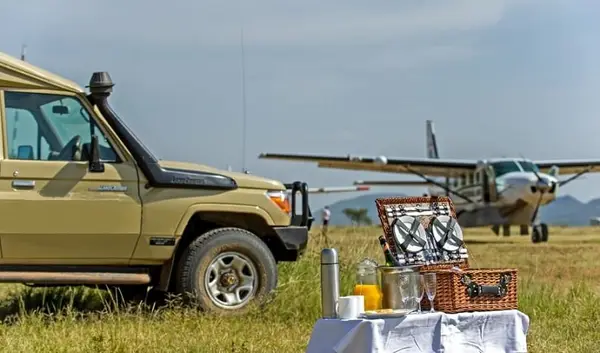
| Fly-in safari | Luxury, couples and families | Fly directly into a Serengeti airstrip |
Option
Private safari vehicle
Option
Domestic flight
Option
Fly-in safari
The Serengeti can be visited throughout the year, but the best time depends on what you want to experience. January to March is particularly rewarding for the wildebeest calving season in the southern Serengeti and Ndutu. June to October is generally a popular period for dry-season wildlife viewing, while the northern Serengeti becomes particularly important during the later stages of the migration. November and December bring greener landscapes and fresh grazing after the short rains. There is no single best month for every traveller, so we recommend choosing your Serengeti region according to your travel dates and priorities.
Serengeti National Park is in northern Tanzania and forms part of the wider Serengeti–Mara ecosystem, which extends across Tanzania and Kenya. It is one of the main destinations on Tanzania's Northern Safari Circuit and is commonly combined with Ngorongoro Crater, Tarangire and other northern Tanzania destinations.
We recommend at least 3 nights in the Serengeti for a first safari. This gives you enough time for several game drives without making the experience feel rushed. Four nights is ideal for travellers who want greater flexibility, while 5 nights or more can be worthwhile for photographers, serious wildlife enthusiasts or travellers who want to explore different regions of the Serengeti. Shorter 2-night stays are possible, particularly when combining the Serengeti with other destinations or using domestic flights.
The cost of a Serengeti safari depends on the season, number of nights, accommodation, number of travellers, park fees, transport and whether you travel by road or domestic flight. At Emnel Adventures, private Serengeti safaris start from approximately US$350 per person per day for our Essential level, with Mid-Luxury and Luxury options available at higher levels of comfort. We tailor each safari to your dates, preferred accommodation and budget, so the final price is based on your individual itinerary.
The Great Wildebeest Migration moves continuously through the wider Serengeti–Mara ecosystem rather than staying in one part of the park. During the year, the herds move between the southern Serengeti and Ndutu, the central and western areas, and eventually towards Northern Serengeti and the Mara River region before beginning the cycle again. Rainfall, grazing and water availability influence the exact location of the herds, so the timing and location can vary from year to year.
The main calving period generally occurs between January and March, with the southern Serengeti and Ndutu region being particularly important. During this period, large numbers of wildebeest gather on the short-grass plains, where newly born calves also attract predators such as lions, cheetahs and hyenas. The exact timing can vary with rainfall and environmental conditions, so we recommend planning around the seasonal pattern rather than relying on a guaranteed date.
Yes, it is possible to witness wildebeest crossing the Mara River in Northern Serengeti during the appropriate migration period. However, river crossings are completely natural events and cannot be guaranteed on a particular day. Herds may gather near the river for hours or days before crossing, move away from a crossing point or cross when visitors are not present. Our role is to choose the most appropriate region, accommodation and route for your travel dates rather than promise a specific crossing. When viewing river crossings, visitors must follow Serengeti National Park regulations and their guide's instructions.
Yes. Serengeti is home to lion, leopard, elephant, buffalo and rhinoceros, although wildlife sightings are never guaranteed because these are wild animals living in a vast natural environment. The Serengeti is particularly renowned for its large populations of big cats, including lions, cheetahs and leopards, as well as its enormous herds of wildebeest and zebra.
There is no single best area for every traveller. The right region depends on your travel dates and what you want to experience. Central Serengeti is an excellent choice for first-time visitors and year-round wildlife viewing. Southern Serengeti and Ndutu are particularly important during the calving season. Northern Serengeti is especially relevant during the later stages of the migration and offers a more remote safari atmosphere. Western Serengeti is known for the Grumeti region and offers a different landscape and safari experience. We recommend choosing your region based on the season rather than simply selecting the most famous area.
Yes. Serengeti can be an excellent family safari destination when the itinerary is designed around the children's ages and the family's preferred pace. A private safari gives families greater flexibility with game-drive times, driving distances, meal arrangements and accommodation. For families with younger children, we generally recommend fewer accommodation changes, sensible driving distances and enough time to relax between activities. Serengeti can also be combined with Tarangire, Ngorongoro and Zanzibar for a more varied family journey.
Yes. Serengeti and Ngorongoro are one of the most popular combinations on Tanzania's Northern Safari Circuit. A typical itinerary may combine Tarangire or another northern park with Ngorongoro before continuing to Serengeti. The route can then be adapted depending on the length of your safari and whether you prefer to travel by road or domestic flight.
Yes. Serengeti and Zanzibar are an excellent combination for travellers who want both wildlife and beach time. You can spend several days on safari before flying from the Serengeti to Zanzibar, avoiding the need to return to Arusha by road. This combination works particularly well for honeymoons, couples, families and travellers visiting Tanzania for the first time.
Both options work well, depending on your itinerary. Driving is ideal for longer Northern Circuit safaris because the journey can connect Serengeti with destinations such as Tarangire and Ngorongoro. Flying is particularly useful for shorter safaris, luxury trips, families or travellers combining Serengeti with Zanzibar. Domestic flights can significantly reduce travel time and give you more time in the park. We can recommend the most practical option based on your travel dates, itinerary and budget.
The best place to stay depends on the season and the region you want to explore. Central Serengeti offers strong year-round wildlife viewing and a wide choice of camps and lodges. Southern Serengeti and Ndutu are particularly important during calving season, while Northern Serengeti is an important choice during the later migration period. We select accommodation based not only on comfort and price, but also on location, seasonal relevance and how well it fits your safari route.
Yes. A private Serengeti safari can be an excellent honeymoon experience, particularly when combined with carefully selected accommodation and a few days on Zanzibar. Couples can choose from comfortable tented camps to luxury lodges and private camps, depending on their preferred style and budget. We can also design the itinerary at a slower pace, with fewer accommodation changes and more time in the wilderness.
Serengeti is a well-established safari destination, and visitors travel through the park with professional guides and safari operators every day. However, Serengeti is a wild environment and wildlife should always be treated with respect. Guests should follow their guide's instructions, remain inside the vehicle during game drives unless specifically advised otherwise, and follow the safety procedures of their camp or lodge. Emnel Adventures provides professional safari guidance and coordinates the practical arrangements of your journey from arrival through to departure.
Yes. Serengeti can be reached from Zanzibar by domestic flight, making a safari-and-beach combination practical even when you have limited time. A short fly-in Serengeti safari can be arranged before or after your Zanzibar stay, depending on your international flight schedule. This is particularly useful for travellers who want to experience Tanzania's wildlife without spending additional days travelling by road.
nclusions depend on the itinerary and accommodation you choose, but a private Emnel Serengeti safari can include private safari transportation, an experienced safari guide, accommodation, meals, park and conservation fees, and domestic flights where included in the selected itinerary. Your final proposal will clearly show what is included and excluded, so you know exactly what you are paying for before confirming your safari.
Tell us your travel dates, number of travellers and what you most want to experience.
We'll recommend the right Serengeti region, accommodation and safari route for your trip — with options designed around your preferred level of comfort and budget.
No payment is needed to start planning.
Safaris
Our most-travelled private safaris — any of them can be shaped to include Serengeti National Park.
Tanzania·Classic·10 days, 9 nights
Perfect for couples & families
From
$3,150.00pp
10 days, 9 nights
Tanzania·prestige·4 days, 3 nights
Perfect for couples & honeymoon
From
$2,018.00pp
4 days, 3 nights

Tanzania·signature·10 days, 9 nights
Perfect for couples & families
From
$3,750.00pp
10 days, 9 nights
Tanzania·signature·10 days, 9 nights
Perfect for couples & families
From
$4,375.00pp
10 days, 9 nights
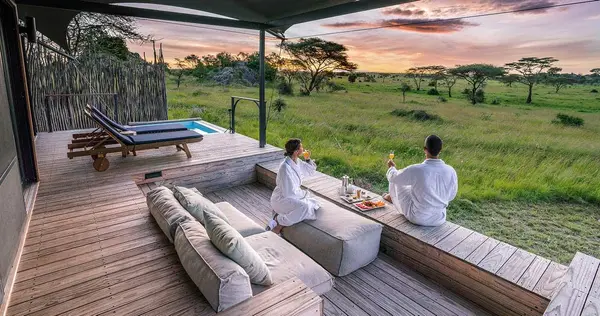
Tanzania·prestige·9 days, 8 nights
Perfect for couples & honeymoon
From
$8,200.00pp
9 days, 8 nights
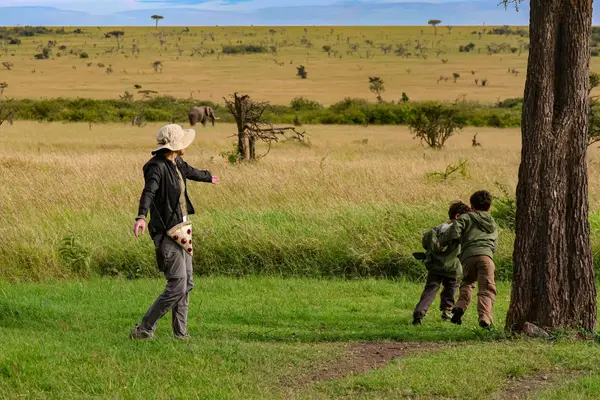
Tanzania·signature·8 days, 7 nights
Perfect for families & multi-gen families
From
$4,900.00pp
8 days, 7 nights
Where to stay
Accommodation our specialists recommend and book — chosen for location, comfort and value.
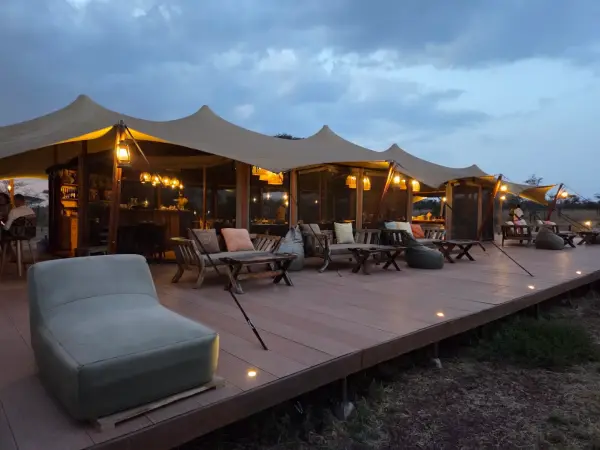
Essential · Tented camp
Serengeti National Park
An intimate tented safari camp in the Serengeti, offering comfortable en-suite tents, open savannah surroundings and access to some of Tanzania's most rewarding wildlife-viewing…
Essential · Tented camp
Serengeti National Park
A mixed-market camp that works for couples and families alike without the price tag of the larger lodges.
Essential · Tented camp
Serengeti National Park
A simpler, more affordable canvas-tent stay that still sits inside a strong wildlife corridor in Central Serengeti.
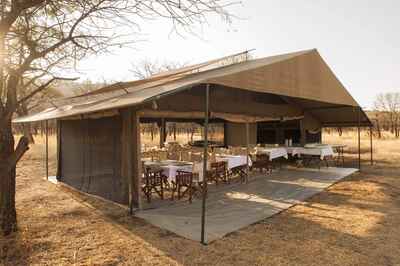
Classic · Tented camp
Serengeti National Park
An authentic, old-style mobile camp for guests who want a simpler, closer-to-the-bush stay without giving up Central Serengeti's game viewing.
Classic · Tented camp
Serengeti National Park
A straightforward, eco-minded camp close to Seronera's year-round wildlife, without the price tag of the bigger lodges.
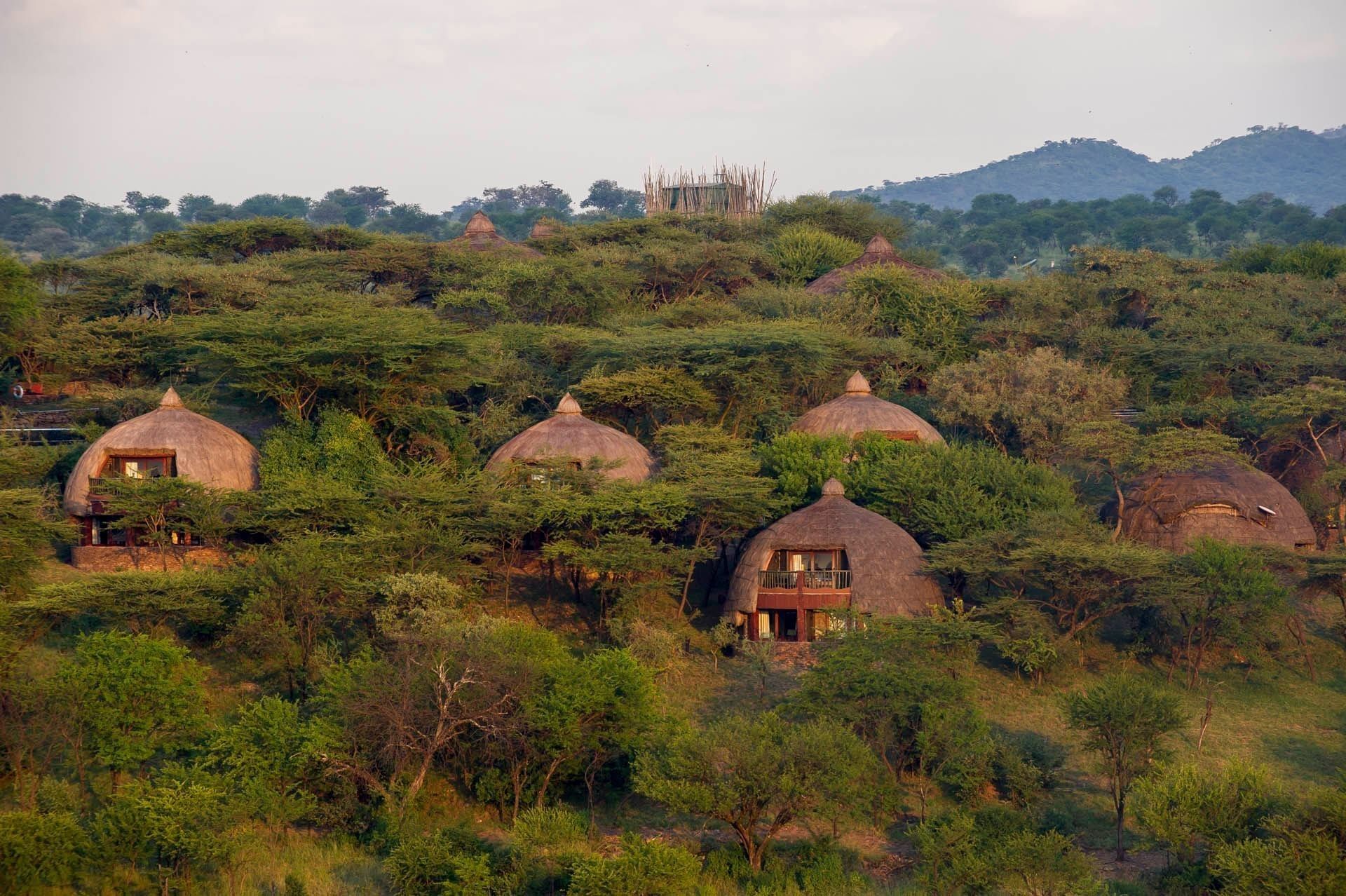
Classic · Lodge
Serengeti National Park
A well-located, more moderately priced base right in the Seronera area, for travellers who don't need an intimate camp.
Classic · Tented camp
Serengeti National Park
Lodge-style comforts, including a pool and communal lounges, at a gentler price than Central Serengeti's flagship lodges.
Classic · Tented camp
Serengeti National Park
One of the larger tented options in Central Serengeti, which makes it a practical choice for families and small groups travelling together.
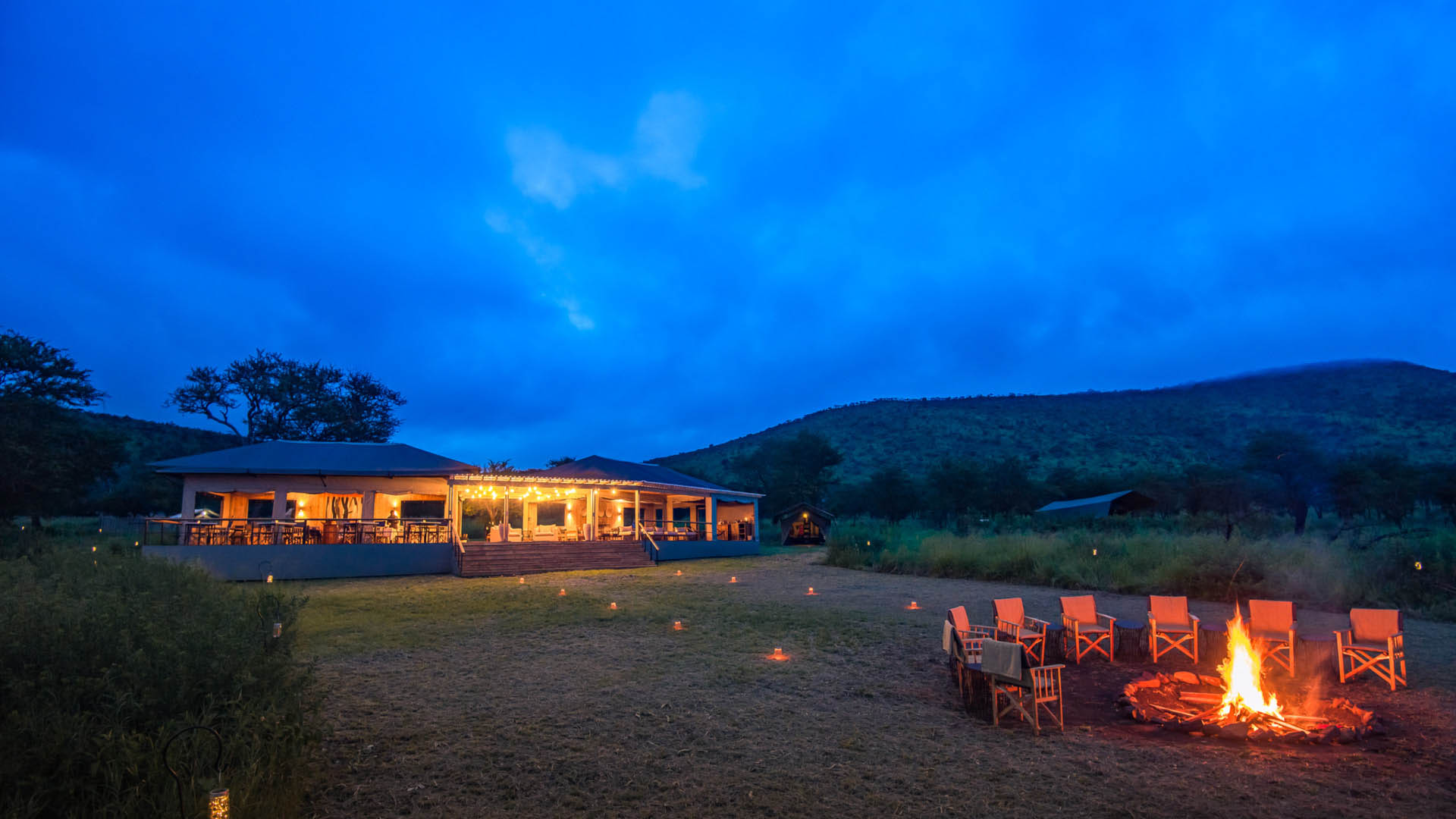
Luxury · Tented camp
Serengeti National Park
A genuinely distinctive camp for guests who care about the sustainability and community story behind a stay, not just the wildlife.
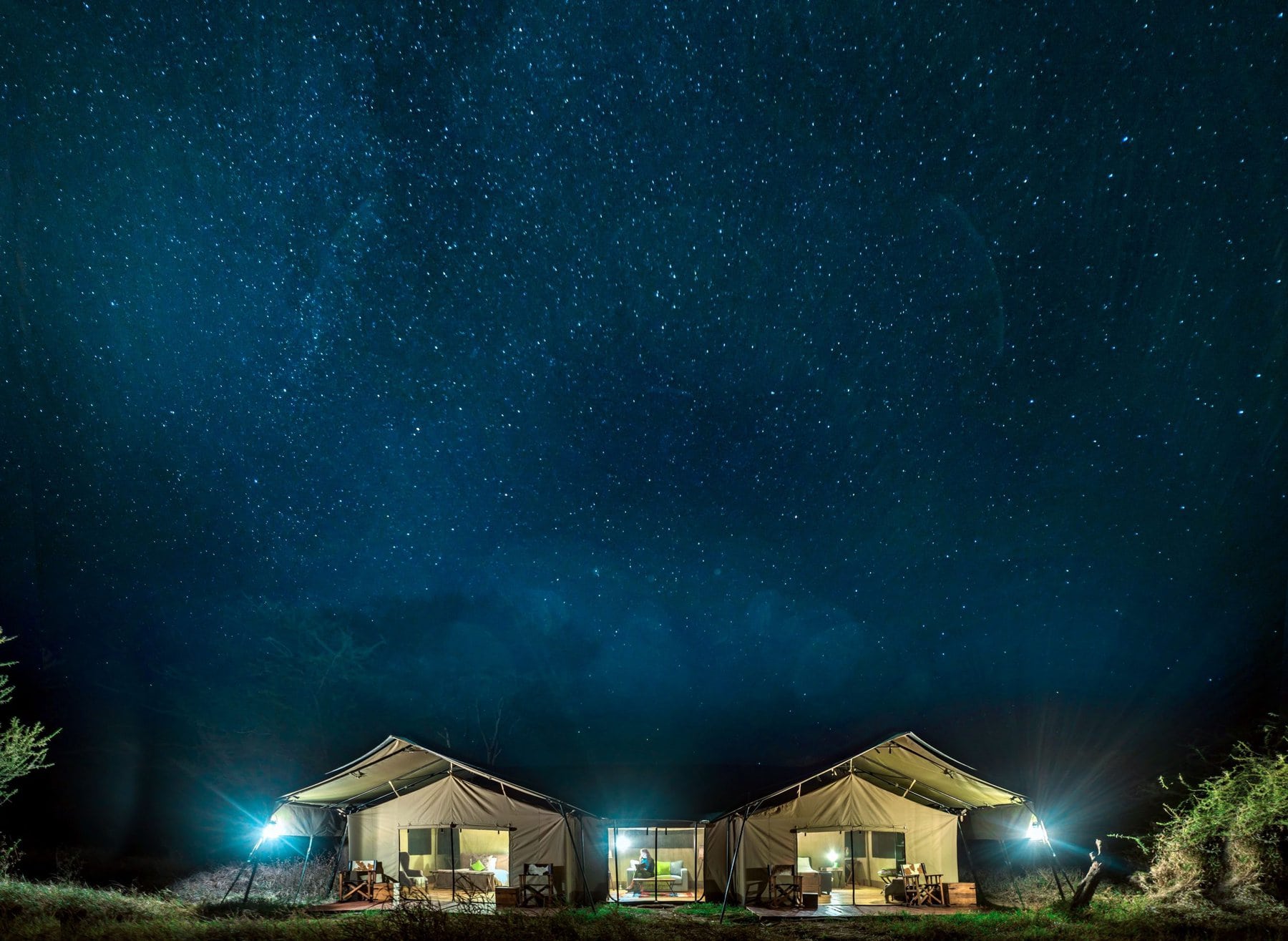
Luxury · Tented camp
Serengeti National Park
One of the quieter, more intimate camps in Central Serengeti, away from the main vehicle traffic around Seronera itself.
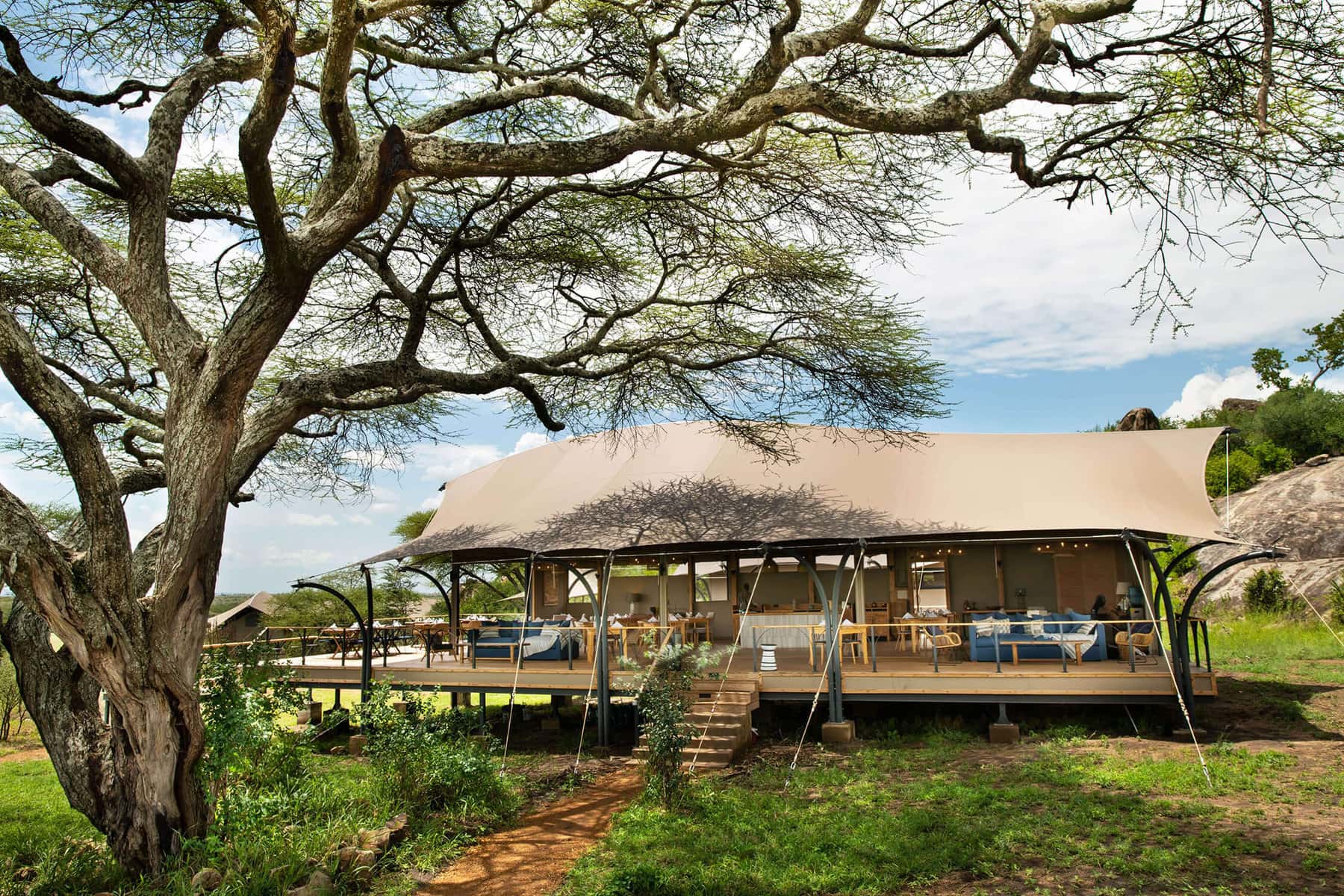
Luxury · Tented camp
Serengeti National Park
A boutique, tented alternative to the big lodges, positioned to catch migration herds while staying close to Seronera's year-round game viewing.
Luxury · Lodge
Serengeti National Park
Strong choice for groups and families who want a wide range of dining and facilities in Central Serengeti at a more accessible price than Four Seasons.
Health & safety
Honest, practical guidance for your trip. See our full guide for more.
Serengeti safaris are generally very safe when travelers follow the guidance of their professional safari guide and accommodation team. Wildlife is wild, so guests should remain inside the vehicle unless their guide or camp staff has specifically advised otherwise. Keep a safe distance from animals, follow camp instructions, and avoid walking alone outside designated areas. Emnel Adventures uses experienced local guides who manage wildlife encounters and daily safari logistics.
Health & vaccinations
Health requirements can vary depending on your nationality, previous travel and onward destinations. Travellers should consult a doctor or travel-health professional before travelling to Tanzania for current advice on routine vaccinations, malaria prevention and any destination-specific requirements. Carry sufficient personal medication and travel with appropriate medical and travel insurance.
Security
Serengeti is a remote wilderness destination rather than an urban environment. Keep valuables secure, follow lodge and camp instructions, and do not leave belongings unattended in vehicles or accommodation. During game drives, follow your guide's instructions at all times and never approach wildlife on foot without professional guidance.
Travel insurance
Comprehensive travel insurance is strongly recommended for every Serengeti safari. Your policy should cover medical expenses, emergency assistance, evacuation where appropriate, trip cancellation or interruption and baggage. Travellers taking domestic flights should also check that their policy covers safari travel and internal air travel.
Emergency contacts
For emergencies during your safari, guests should contact their Emnel Adventures safari consultant or guide using the emergency contact provided with their final travel documents.
Keep exploring
Other places our local experts know and love across the region.
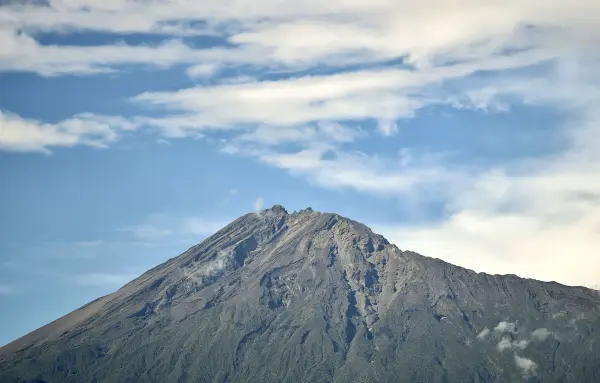
Arusha · Tanzania
Arusha is the gateway to northern Tanzania's safari circuit, set beneath Mount Meru and close to Arusha National Park. It is a natural starting point for private safaris, Kilimanjaro journeys and carefully planned Tanzania…
East Africa · Tanzania
Tanzania is Africa's most complete safari country — the Serengeti and the Great Migration, the Ngorongoro Crater, Tarangire's elephants, the wild southern parks and Zanzibar's coast. Every Emnel safari here is private, and…
Northern Circuit · Tanzania
Northern Circuit · Tanzania
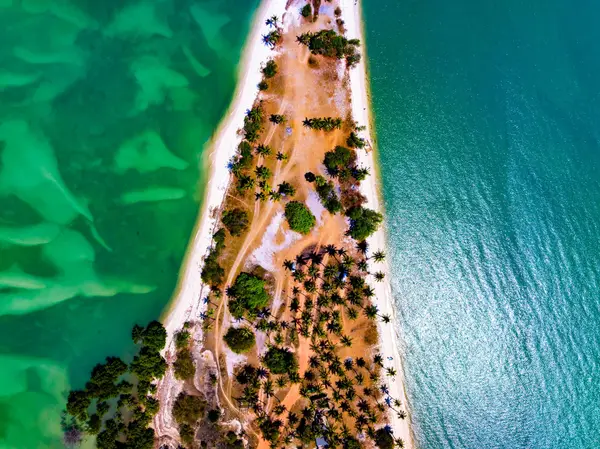
Coast & Islands · Tanzania
Tanzania's first marine park — a whale-shark stronghold, world-class diving on untouched reefs, and the quietest, most unhurried of the archipelago's islands.
Southern Circuit · Tanzania
Start planning
Tell us what you have in mind and a local expert will craft a tailored plan — no payment needed to start.