
Best Seller
Tanzania 10-Day Serengeti Safari & Zanzibar from Dubai
Tanzania·Classic·10 days, 9 nights
Beach extension Family friendly
Perfect for couples & families
From
$3,150.00pp
10 days, 9 nights

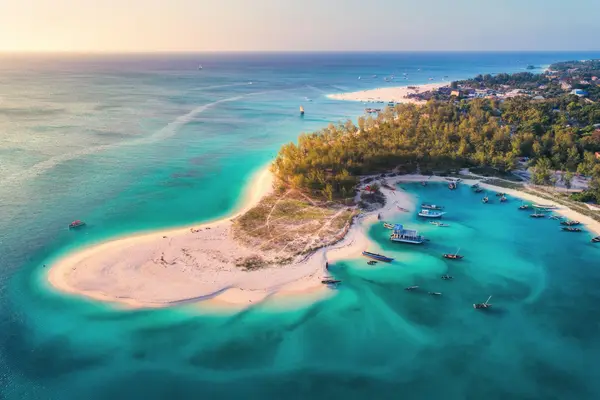
Coast & Islands · Tanzania
A different kind of chapter to close a Tanzania trip on — coral sand, a nine-hundred-year trading history, and a coastline with several genuinely distinct personalities of its own.
Overview
A different kind of chapter to close a Tanzania trip on — coral sand, a nine-hundred-year trading history, and a coastline with several genuinely distinct personalities of its own.
Zanzibar is an archipelago in the Indian Ocean, roughly 25 to 50 kilometres off Tanzania's coast, made up of the main island of Unguja — what most people mean when they say 'Zanzibar' — and the smaller, quieter Pemba Island further north. Unlike every destination covered so far in this guide series, Zanzibar isn't a wildlife park at all: its draw is coral sand and warm, clear water, a genuinely layered nine-hundred-year trading history centred on Stone Town, and a coastline with distinct personalities depending on which side of the island a guest chooses.
This guide departs from the standard structure used elsewhere in this series for exactly that reason. There's no 'Wildlife of Zanzibar' chapter in the sense our national park guides use the phrase — instead, Part 4 covers the island's marine life and its one genuine wildlife specialty, the endemic Zanzibar red colobus monkey, and Part 5 gives Stone Town's history, including its difficult chapters, the space it deserves rather than folding it into a passing mention.
For nearly every Emnel guest, Zanzibar is the closing stop on a longer Tanzania itinerary rather than a standalone destination — a deliberate, well-earned few days of rest after a safari, not a separate trip in its own right. That framing shapes almost everything in this guide, including our honest advice on how much time to give it.
Zanzibar's honest case for inclusion on a Tanzania itinerary is contrast, not competition — nothing here tries to compete with the wildlife destinations covered elsewhere in this series, and it shouldn't. What it offers instead is a genuinely different register to close a trip on: warm, clear water, several distinct coastal personalities within a single island, and a history in Stone Town substantial enough to reward a guest who wants more than a beach chair.
It's worth being direct about the trade-offs too. Zanzibar's east coast beaches are tidal, meaning the sea recedes dramatically at low tide and swimming windows are genuinely limited by the clock, not just personal preference. The island draws roughly half a million visitors a year, concentrated on a relatively small stretch of coastline, and its reefs face real pressure from coral bleaching, pollution and coastal development, covered honestly in Part 11 rather than left out of a brochure-friendly picture.
Great for families · Luxury lodges & camps
Country
Tanzania
Circuit
Coast & Islands
How Zanzibar scores
Compare allSafaris
Our most-travelled private safaris — any of them can be shaped to include Zanzibar.
Tanzania·Classic·10 days, 9 nights
Perfect for couples & families
From
$3,150.00pp
10 days, 9 nights

Tanzania·prestige·4 days, 3 nights
Perfect for couples & honeymoon
From
$2,018.00pp
4 days, 3 nights

Tanzania·signature·10 days, 9 nights
Perfect for couples & families
From
$3,750.00pp
10 days, 9 nights
Tanzania·signature·10 days, 9 nights
Perfect for couples & families
From
$4,375.00pp
10 days, 9 nights
Tanzania·prestige·9 days, 8 nights
Perfect for couples & honeymoon
From
$8,200.00pp
9 days, 8 nights

Tanzania·signature·8 days, 7 nights
Perfect for families & multi-gen families
From
$4,900.00pp
8 days, 7 nights
Good to know
Honest, specific answers to the questions we're asked most about this destination.
General
Not in the wildlife sense — it's almost always the closing, beach-focused stop after a mainland safari, run by a separate coastal specialist team.
It depends on priorities: North Coast for tide-independent swimming and resort infrastructure, East Coast for diving or kitesurfing (with tidal limitations), South Coast for seclusion and dolphins.
Yes — a rushed half-day visit misses most of what makes its layered, difficult history meaningful.
Beaches & Activities
It's a natural tidal pattern along this stretch of coast — the sea can recede several hundred metres, and swimming is genuinely restricted to windows either side of high tide.
Yes, particularly around Mnemba Atoll, with dry-season visibility reaching 20 to 30 metres; Pemba offers even less-touched reef for serious divers willing to travel further.
Yes, at Jozani-Chwaka Bay National Park, home to the endemic Zanzibar red colobus — the archipelago's one genuine land-based wildlife highlight.
Planning & Cost
Most guests fly from Dar es Salaam (≈30 minutes); a ≈2-hour ferry is a slower, cheaper alternative, and some international flights serve Zanzibar directly.
It spans the widest range in this guide series, from simple guesthouses to private-island ultra-luxury properties — accommodation choice, not park fees, drives the cost here.
Three to five, typically closing a longer safari itinerary; fewer than three rarely allows time for both Stone Town and proper beach time.
Keep exploring
Other places our local experts know and love across the region.
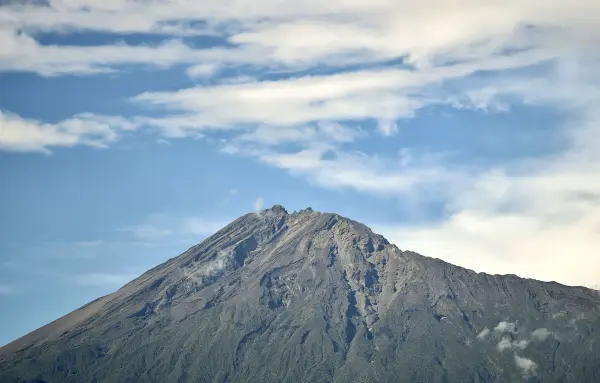
Arusha · Tanzania
Arusha is the gateway to northern Tanzania's safari circuit, set beneath Mount Meru and close to Arusha National Park. It is a natural starting point for private safaris, Kilimanjaro journeys and carefully planned Tanzania…
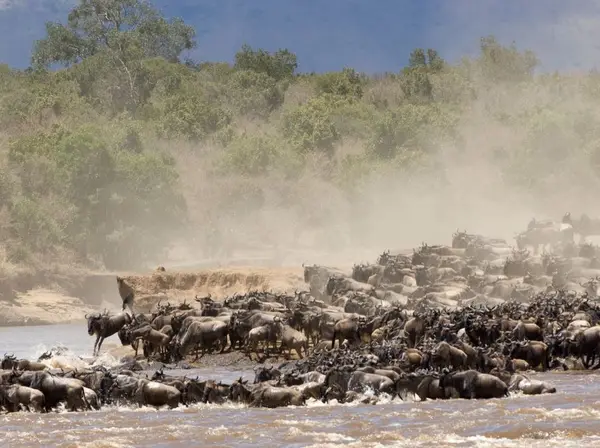
East Africa · Tanzania
Serengeti National Park is Tanzania's legendary wildlife destination, famous for the Great Wildebeest Migration, exceptional big-cat sightings and vast open plains. Explore the Serengeti on a private safari designed around the…
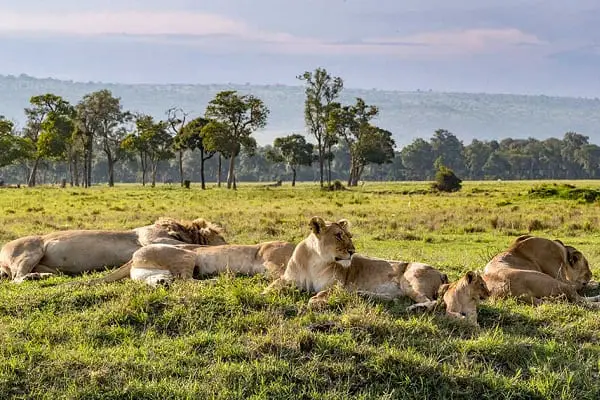
East Africa · Tanzania
Tanzania is Africa's most complete safari country — the Serengeti and the Great Migration, the Ngorongoro Crater, Tarangire's elephants, the wild southern parks and Zanzibar's coast. Every Emnel safari here is private, and…
Northern Circuit · Tanzania
Northern Circuit · Tanzania
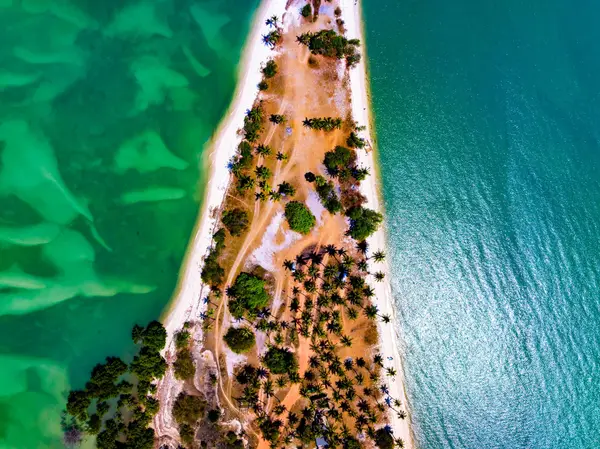
Coast & Islands · Tanzania
Tanzania's first marine park — a whale-shark stronghold, world-class diving on untouched reefs, and the quietest, most unhurried of the archipelago's islands.

Start planning
Tell us what you have in mind and a local expert will craft a tailored plan — no payment needed to start.