Recommended
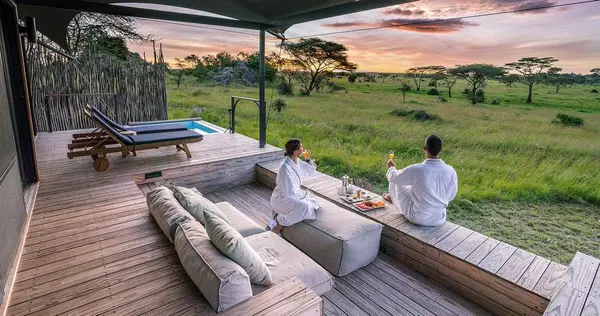
Tanzania 10-Day Tanzania Honeymoon Safari & Zanzibar
Tanzania·Essential·10 days, 9 nights
Beach extension Honeymoon
Perfect for honeymoon & couples
From
$3,150.00pp
10 days, 9 nights

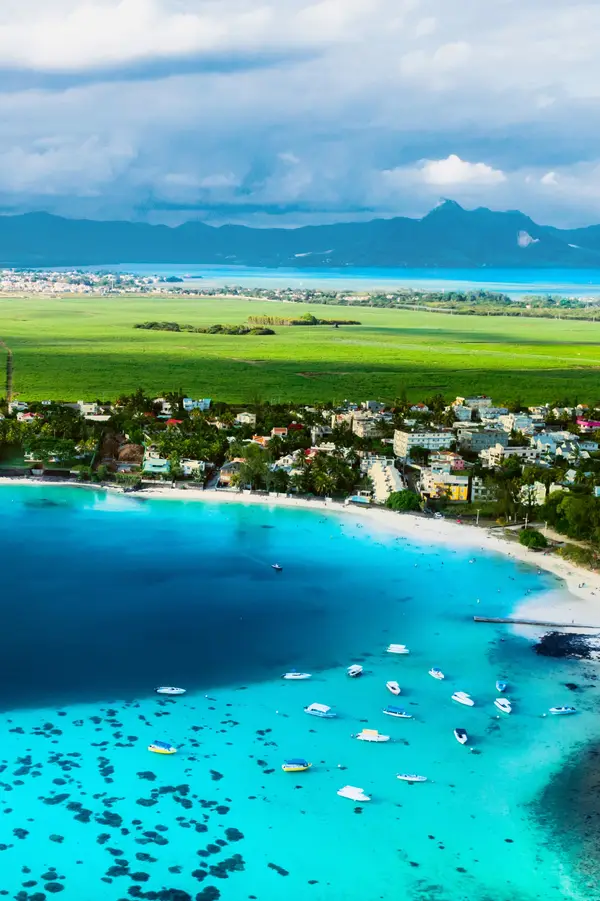
Coast & Islands · Tanzania
Zanzibar's quieter, greener sister island — the world's leading source of cloves, a serious diver's destination, and a place that still takes its own reputation for magic seriously.
Overview
Zanzibar's quieter, greener sister island — the world's leading source of cloves, a serious diver's destination, and a place that still takes its own reputation for magic seriously. Pemba Island lies roughly 50 kilometres north of Unguja, the main Zanzibar island, and is often described using its old Arabic name, 'Al Khudra' — the Green Island — a fair description of a hilly, densely forested landscape given over in large part to clove and coconut plantations. It's the second-largest island in the Zanzibar Archipelago, and by far the least visited: where Unguja has built a substantial resort economy around its beaches, Pemba remains genuinely under-developed for tourism, a fact that shapes almost everything about a visit here. What draws the small number of guests who do come is, above all, diving: the Pemba Channel plunges dramatically along much of the island's west coast, producing some of the clearest water and healthiest reef in East Africa, largely free of the diver traffic found around Unguja's Mnemba Atoll. Beyond the water, Pemba carries a centuries-old reputation as East Africa's centre of traditional healing and mysticism, a living cultural fact rather than a tourist curiosity, addressed directly and respectfully further down this guide. Very few Emnel itineraries include Pemba as a first-time addition — it's best suited to guests who have already done a Tanzania safari and a Zanzibar beach stay, and are specifically looking for quieter, more serious diving and a slower, less-developed island experience. Pemba's honest case for inclusion on a Tanzania itinerary is specificity, not breadth. It doesn't try to be a beginner's beach holiday, and it doesn't have Unguja's range of activities or infrastructure. What it offers instead is genuinely excellent, uncrowded diving, a slower and more rural version of island life, and a cultural depth — clove plantations, traditional healing practices, understated Swahili history — that rewards a guest who's already had their first taste of coastal Tanzania and wants something quieter and more specific. It's also worth being direct about the trade-offs. Tourism infrastructure here is genuinely limited compared with Unguja — fewer lodges, fewer roads in good repair, and a slower pace to everything from restaurant service to transfers. Malaria risk is also higher here than on Unguja, given Pemba's more rural, forested terrain, a point we cover honestly in the guide below.
Luxury lodges & camps
Country
Tanzania
Circuit
Coast & Islands
How Pemba Island scores
Compare allThe travel guide
Last reviewed October 2026
Pemba Island at a glance
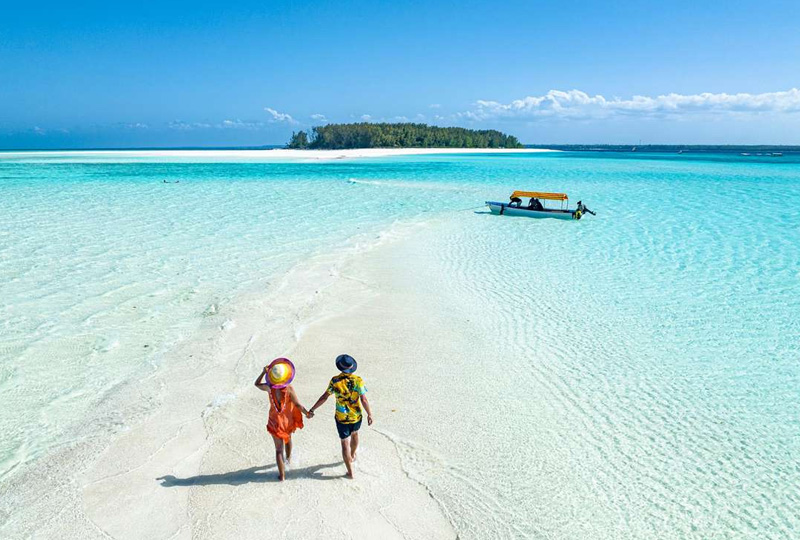
Pemba is for travellers who want the Indian Ocean without the crowds. Where Zanzibar has busy beaches and a lively tourism industry, Pemba is hilly, deeply green and largely rural, with a handful of small lodges spread along its coast. Its draw is the water, the forests and a sense of a place still living its own life.
It suits divers, couples and anyone at the end of a safari who wants genuine quiet. It suits less well those who want nightlife, a choice of restaurants or long stretches of beach on their doorstep — Pemba's coast is shaped by mangroves, coves and small sandbars rather than one long strand.
Pemba is one of East Africa's most respected diving destinations. Deep water lies close to shore, creating dramatic coral walls with strong drift dives along the Pemba Channel, healthy hard and soft corals, turtles, reef sharks and large pelagic fish. Several sites suit experienced divers only because of the currents.
Misali Island, off the west coast, is a protected marine conservation area with clear, shallow reefs that make it excellent for snorkellers and beginner divers too. A day there, with a picnic on the island's beach and a walk along its nature trail, is one of the highlights of a stay.
Field Notes
If diving matters to you, tell us your certification level when you enquire. We match you to a lodge and dive centre whose sites suit your experience — on Pemba, that choice makes a real difference.
Inland, Pemba is a patchwork of clove and coconut plantations, rice paddies and small villages. Cloves have shaped the island's economy for generations, and a visit to a plantation during the harvest, when the buds are picked and laid out to dry, fills the air with their scent.
In the north, the Ngezi Forest Reserve protects some of the island's last indigenous forest. Guided walks here offer the chance to see the Pemba flying fox, a large fruit bat found only on this island, along with endemic birds and the Pemba red colobus.
Did You Know?
The Pemba flying fox lives nowhere else on earth. Once close to extinction, its numbers recovered thanks to community-led conservation on the island.
Pemba is a conservative, predominantly Muslim island where tourism is still small. Modest dress in villages and towns is appreciated, and photographs of people should always be asked for first. During Ramadan, the pace slows further and eating in public during the day is best avoided outside your lodge.
The island also has a long-standing reputation across East Africa as a centre of traditional healing. This is a living part of local life rather than a tourist attraction, and we approach it that way: with curiosity and respect, never as a spectacle.
| Months | Season | Conditions | Why go |
|---|---|---|---|
| June – October | Dry season | Sunny, breezy, cooler | Good all-round conditions after a safari |
| November | Short rains | Brief showers | Quiet and green |
| December – February | Hot and dry | Calm seas, excellent visibility | The best diving months |
| March – May | Long rains | Heavy rain, some lodges close | Not recommended for a first visit |
Months
June – October
Months
November
Months
December – February
Months
March – May
Pemba is reached by short scheduled flights from Zanzibar, Dar es Salaam or Tanga, landing at Karume airport near Chake Chake. Lodge transfers then take you across the island by road. Most guests add three or four nights after a safari and a few days on Zanzibar.
Malaria risk is higher on Pemba than on Unguja, because the island is more rural and forested. Please speak to a travel health clinic about antimalarials before you travel, and use repellent and the nets provided at your lodge. Medical facilities are basic, so good travel insurance is essential.
For a complete Indian Ocean picture, compare Pemba with Zanzibar and Mafia Island, or tell us how you like to travel and we will suggest the right island for you.
Safaris
Our most-travelled private safaris — any of them can be shaped to include Pemba Island.
Tanzania·Essential·10 days, 9 nights
Perfect for honeymoon & couples
From
$3,150.00pp
10 days, 9 nights
Tanzania·Essential·10 days, 9 nights
Perfect for couples & families
From
$3,850.00pp
10 days, 9 nights
Tanzania·Essential·7 days, 6 nights
Perfect for couples & families
From
$2,450.00pp
7 days, 6 nights
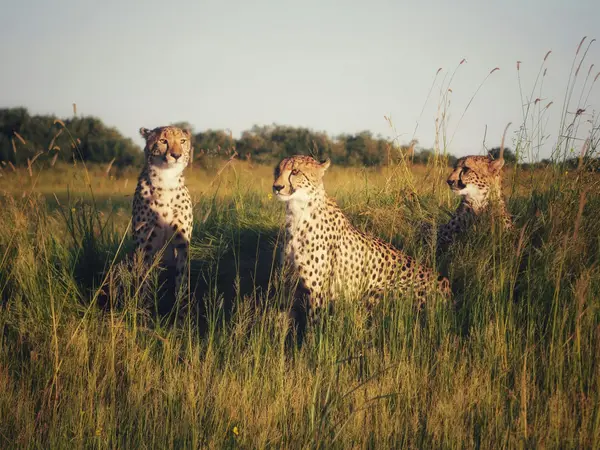
Tanzania·signature·10 days, 9 nights
Perfect for couples & families
From
$4,375.00pp
10 days, 9 nights
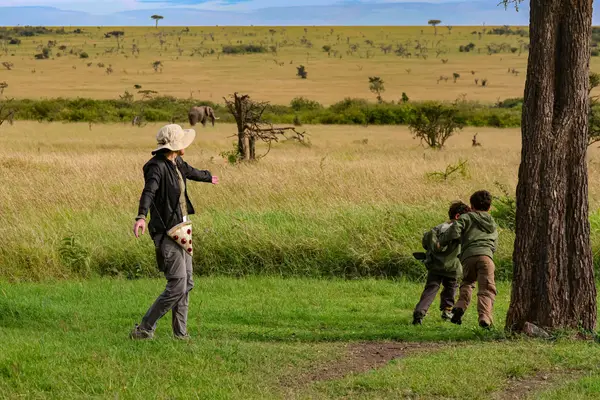
Tanzania·signature·8 days, 7 nights
Perfect for families & multi-gen families
From
$4,900.00pp
8 days, 7 nights
Good to know
Honest, specific answers to the questions we're asked most about this destination.
General
June to October and December to February are best. December to February usually brings the calmest seas and the best diving visibility. The long rains from March to May are not recommended, and some lodges close.
Generally not — it's a quieter, more specialist destination best suited to guests who've already experienced Unguja and want something different, particularly serious divers.
A short domestic flight from Unguja (Zanzibar Island) or Dar es Salaam to Chake Chake or Wawi airport, followed by a road and, for some lodges, a boat transfer.
Being the world's leading clove producer, and holding a centuries-old reputation as East Africa's centre of traditional spiritual healing.
Diving & Activities
Pemba's Pemba Channel offers steeper walls, deeper drop-offs and generally fewer other divers than Unguja's Mnemba Atoll — a better fit for experienced divers specifically.
As a distinctive one-off night, yes, for guests wanting something genuinely different — we'd recommend it as a highlight within a longer stay rather than the whole trip.
Yes, most reliably on a guided late-afternoon walk through Ngezi Forest Reserve, where the endemic species roosts.
Planning & Cost
Three to four, given the effort involved in reaching Pemba and the limited activity range once there.
Yes — Pemba's more rural, forested terrain carries genuinely higher malaria risk than Unguja, and preventive measures matter more here.
It's possible but involves significant transfer time and cost, given both islands' distance from each other and from Dar es Salaam — most guests choose one or the other for a single trip.
Keep exploring
Other places our local experts know and love across the region.
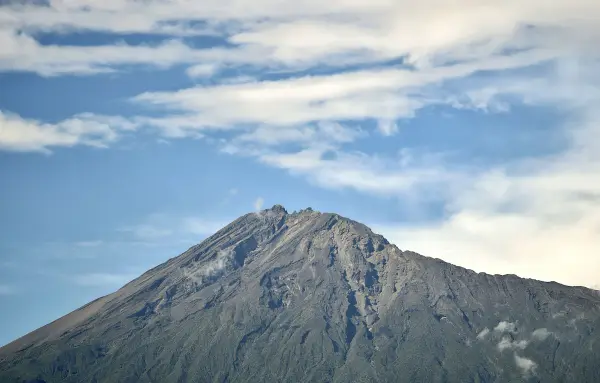
Arusha · Tanzania
Arusha is the gateway to northern Tanzania's safari circuit, set beneath Mount Meru and close to Arusha National Park. It is a natural starting point for private safaris, Kilimanjaro journeys and carefully planned Tanzania…
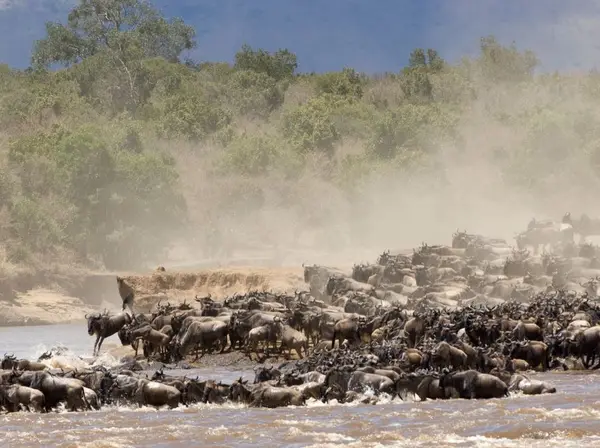
East Africa · Tanzania
Serengeti National Park is Tanzania's legendary wildlife destination, famous for the Great Wildebeest Migration, exceptional big-cat sightings and vast open plains. Explore the Serengeti on a private safari designed around the…
East Africa · Tanzania
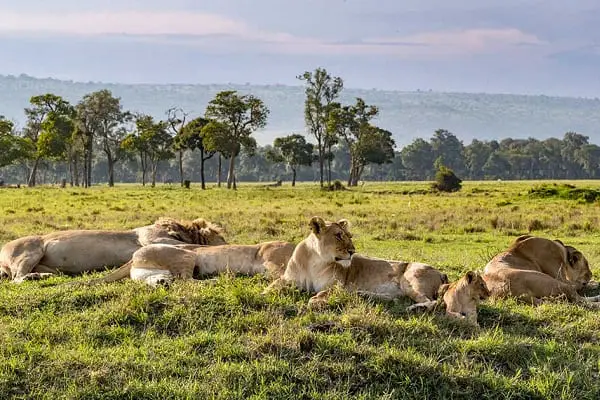
Tanzania is Africa's most complete safari country — the Serengeti and the Great Migration, the Ngorongoro Crater, Tarangire's elephants, the wild southern parks and Zanzibar's coast. Every Emnel safari here is private, and…
Northern Circuit · Tanzania
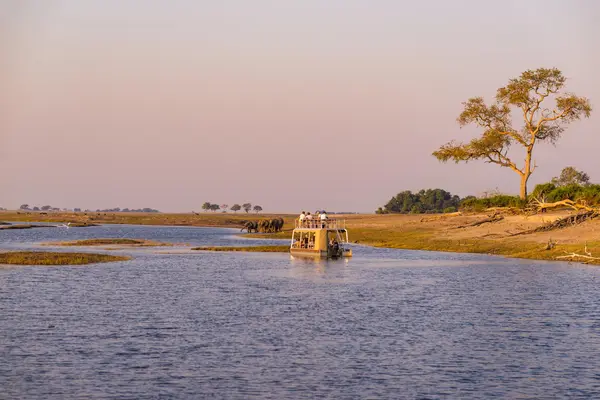
A remote Rift Valley soda lake near Ngorongoro and home to the Hadzabe hunter-gatherers and Datoga pastoralists — a deeply human counterpoint to the game drives of the north.
Northern Circuit · Tanzania
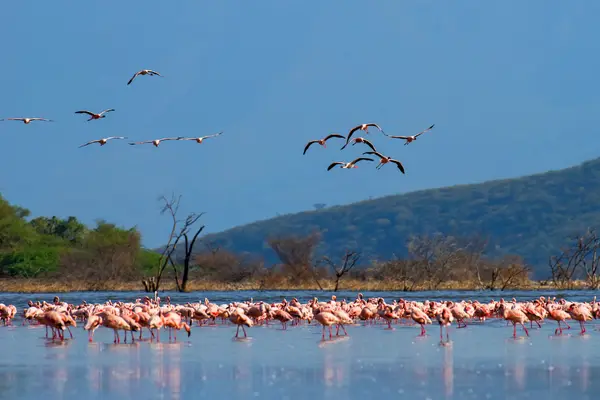
A compact Rift Valley park of groundwater forest, elephants, baboons and birdlife, famous for its tree-climbing lions — an easy first game drive on the road from Arusha to Ngorongoro.
Coast & Islands · Tanzania
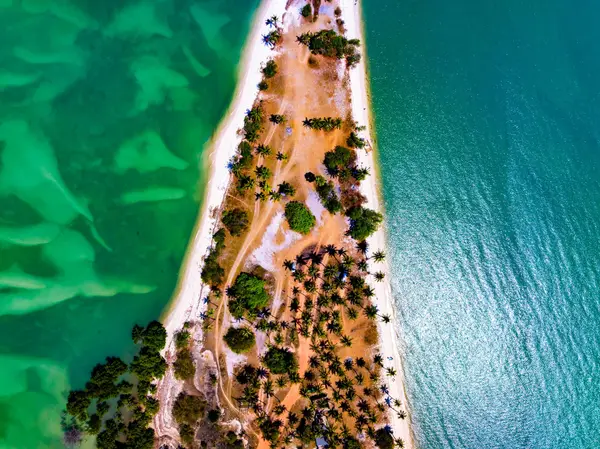
Tanzania's first marine park — a whale-shark stronghold, world-class diving on untouched reefs, and the quietest, most unhurried of the archipelago's islands.
Start planning
Tell us what you have in mind and a local expert will craft a tailored plan — no payment needed to start.