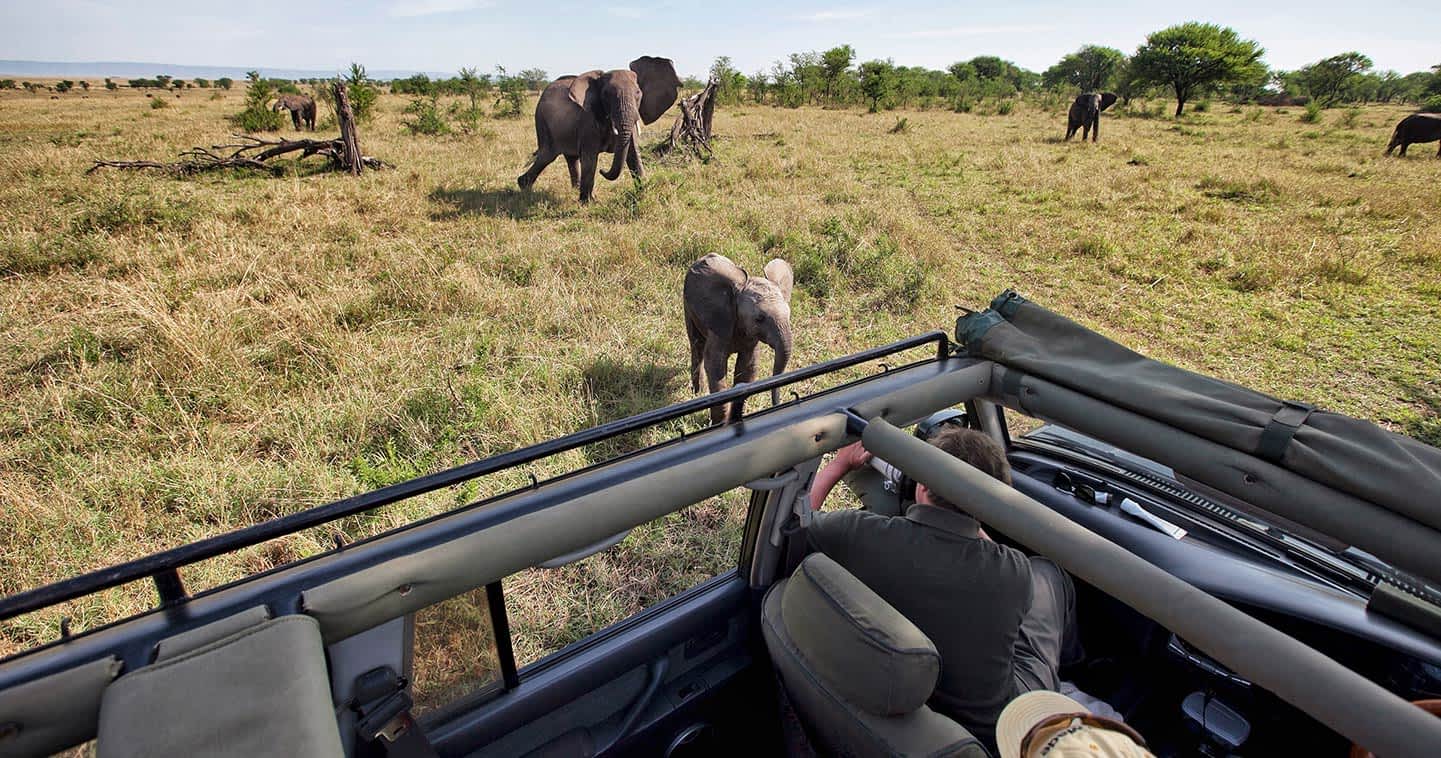
Best Seller
Tanzania 10-Day Serengeti Safari & Zanzibar from Dubai
Tanzania·Classic·10 days, 9 nights
Beach extension Family friendly
Perfect for couples & families
From
$3,150.00pp
10 days, 9 nights

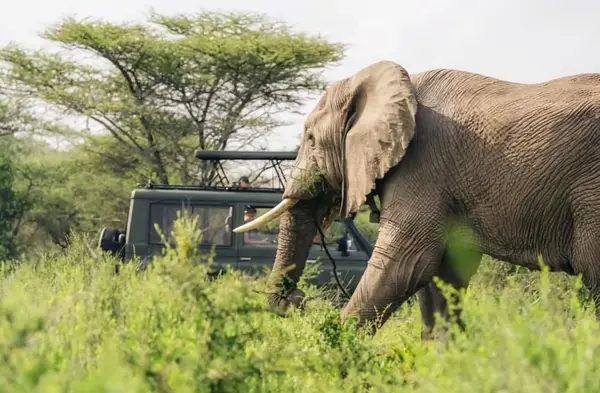
East Africa · Tanzania
Tanzania is Africa's most complete safari country — the Serengeti and the Great Migration, the Ngorongoro Crater, Tarangire's elephants, the wild southern parks and Zanzibar's coast. Every Emnel safari here is private, and designed by the guides who will drive it.
Overview
A Tanzania safari can be shaped around almost anything: the migration, the Big Five, a first safari with children, a honeymoon that ends on the beach, or a quiet week in parks where you may not see another vehicle all day. The country holds more distinct safari regions than any of its neighbours, and wildlife viewing is exceptional in every month.
That range is exactly why the route matters. The same ten days can feel crowded or completely private depending on the season, the camps and the order you travel in. We build every itinerary from Arusha, where we live and where most of our guides grew up, and the person who designs your trip is the person who meets you at the airport.
Exceptional wildlife · A photographer’s favourite · Great for families · Luxury lodges & camps
Country
Tanzania
Circuit
East Africa
Guide price
From $350.00
How Tanzania scores
Compare allThe travel guide
Part 1
Ask a guide who has worked across East and Southern Africa where they would take their own family, and Tanzania comes up more than anywhere else. Not because any single park is unbeatable, but because no other country puts so many different kinds of safari inside one border.
In the north, the Serengeti and Ngorongoro deliver the classic big-sky, big-cat safari most people picture. Two hours away, Tarangire is elephant and baobab country with a completely different feel. Fly south and Ruaha and Nyerere offer wilderness on a scale the north can no longer match, with a fraction of the visitors. Go west to Mahale and you are tracking chimpanzees on a forested lakeshore. Finish on Zanzibar or Mafia Island and the same trip ends in warm water.
Kenya has the Mara and Botswana has the Delta. Tanzania has all of the above, and the wildlife is exceptional in every month of the year.
Field Notes
From Nelson, founder and guide I grew up in Arusha and I have been guiding in these parks since before Emnel existed. The single most important thing I have learned is that where you sleep on which night decides whether a safari is good or extraordinary. The Serengeti in February is a different park from the Serengeti in August. A camp that is perfect in June is empty of animals in December. We do not sell fixed circuits because the country does not work that way. We build the route around the month you can travel, and then we drive it with you.
Serengeti National Park. The heart of it all — 14,750 square kilometres of plains, kopjes and river forest, and home to the Great Migration. Predator density is among the highest in Africa, and resident game keeps the viewing exceptional whether or not the herds are nearby. Most first safaris anchor here for three to five nights, and the region you stay in should follow the season.
Ngorongoro Crater. A collapsed volcanic caldera 600 metres deep and 260 square kilometres across, holding one of the densest concentrations of large mammals on the continent, including some of Tanzania's last black rhino. A single full day on the crater floor is one of the great safari experiences; two is rarely necessary.
Tarangire National Park. Ancient baobabs, seasonal swamps and one of the largest elephant populations in East Africa. At its best from June to October, when the Tarangire River draws game from the surrounding ecosystem. Far quieter than the Serengeti, and an excellent first or last stop on a northern circuit.
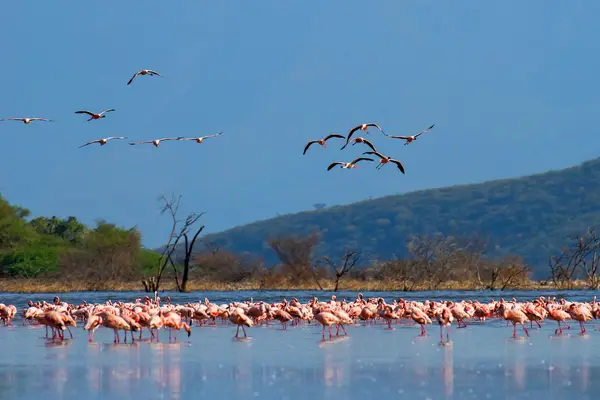
Lake Manyara National Park. A compact park between the Rift Valley escarpment and a soda lake, known for tree-climbing lions, flamingos in season and groundwater forest. Usually a half-day en route to the crater or a night on the way north.
Ruaha National Park. Tanzania's largest national park and one of its wildest, with large lion prides, wild dog, sable and roan, and a fraction of the northern circuit's traffic. Reached by light aircraft from Arusha or Dar es Salaam.
Nyerere National Park. The former Selous Game Reserve, now Africa's largest national park, built around the Rufiji River. The only major Tanzanian park where boat safaris and walking are part of the standard experience.
Mahale Mountains and Katavi. The far west: chimpanzee trekking in forested mountains that fall straight into Lake Tanganyika, paired with Katavi's dry-season hippo spectacle. Remote, expensive to reach and unlike anything else in the country.
Zanzibar and Mafia Island. Where most Tanzania safaris end. Zanzibar for Stone Town, spice farms and a wide choice of beach hotels; Mafia for whale sharks, diving and almost no other tourists.
Guide's Tip
The mistake most first-time visitors make is trying to see everything in the north in a week. Four parks in seven days means four transfer days and three real safari days. Two parks done properly — Tarangire and the Serengeti, say, with a single day in the crater between them — will give you far more time with the animals and far less time on the road.
| Northern circuit | Southern circuit | |
|---|---|---|
| Key parks | Serengeti, Ngorongoro, Tarangire, Manyara | Ruaha, Nyerere, Mikumi |
| Best for | First safaris, the Migration, families, the Big Five | Second safaris, wilderness, walking and boat safaris, fewer vehicles |
| Access | Drive from Arusha, or fly-in | Light aircraft from Arusha or Dar es Salaam |
| Wildlife | Highest density in Africa | Highest density in Africa Lower density, larger areas, more exclusivity |
| Best Months | June–October; Dec–March for calving | June–October (Nyerere dry season most reliable) |
| Typica Stays | 6–10 days | 5–8 days |
| Combines well with | Zanzibar, pEMBA | Zanzibar, Mafia Island |
Key parks
Best for
Access
Wildlife
Best Months
Typica Stays
Combines well with
Tanzania is a year-round safari destination, and the honest answer to "when is best" is: it depends what you want to see. Below is how we think about it when we plan.
January – February. Calving season on the southern Serengeti and Ndutu plains. Hundreds of thousands of wildebeest are born within a few weeks, and predator action is the best of the year. Warm, green, and one of our favourite times to travel. Zanzibar is hot and dry.
March. Herds still in the south, moving as the grass dries. Excellent viewing, fewer visitors, and the long rains begin late in the month.
April – May. The long rains. Some camps close, roads can be difficult, and the Serengeti is dramatically green and empty. Prices are at their lowest, and for photographers the light and skies are exceptional. Not ideal for a first safari with children.
June. The rains end and the dry season begins. The Migration is moving north through the Western Corridor and Grumeti; Tarangire starts to fill with elephants. An underrated month with lower prices than July.
July – August. Peak season. The herds reach the northern Serengeti and Mara River crossings begin. Weather is dry and cool in the mornings. Camps book out a year ahead, and prices are at their highest.
September – October. Still peak in the north, with crossings continuing and the herds spread between Kogatende and the Mara. Tarangire is at its best. October is hot, dry and excellent across the whole country.
November. The short rains arrive and the herds begin moving south. Fewer visitors, lower prices, dramatic skies. Good viewing in the central Serengeti and Ngorongoro.
December. The herds return to the southern plains, the calving cycle begins again, and the Christmas period is busy. Early December is one of the best-value windows of the year.
Did You Know?
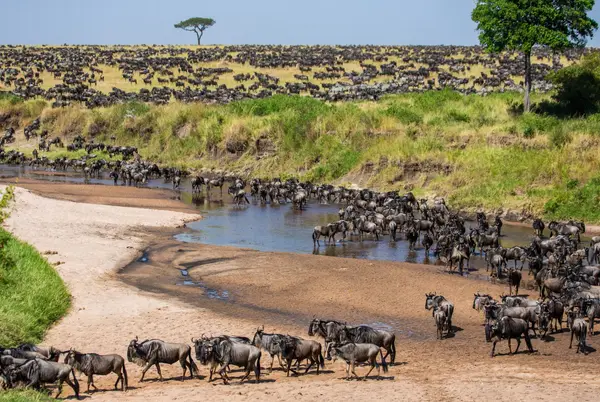
The Great Migration is not an event that happens in one place. Roughly 1.5 million wildebeest, with several hundred thousand zebra and gazelle, move in a clockwise loop through the Serengeti ecosystem every year, following the rain. The famous Mara River crossings are two or three months of a twelve-month cycle. Wherever the herds are, that is where we place you.
Tanzania is not a cheap country to safari in, and it is worth understanding why before comparing quotes. Park fees are among the highest in Africa — the Serengeti alone charges around $70–$80 per person per day plus 18% VAT, and Ngorongoro Crater carries a separate vehicle fee of several hundred dollars per descent. Fuel, guides, vehicles and camps all sit on top of that.
As a guide, for a private safari with a dedicated guide and vehicle, budget:
From around $350 to $500 per person per day for well-chosen mid-range lodges and tented camps. Comfortable, well located, and how most of our guests travel. Around $600 to $1,000 per person per day for premium camps, fly-in access and the most sought-after Serengeti locations in peak season. $1,000 per person per day and upwards for the top tier of luxury camps and private mobile safaris.
These figures exclude international flights and are for two people sharing. Solo travellers, single-supplement seasons and very short trips push the daily rate up; longer trips and green-season travel bring it down. Our quotes include all park fees, transfers, accommodation, meals on safari, your guide and vehicle, and AMREF evacuation cover, so the number you see is the number you pay.
Safari Wisdom
If the budget is tight, do not cut nights — cut parks. Three nights in one good Serengeti camp will always beat one night each in three. And consider early December, March or June, when the wildlife is superb and the rates are not.
Every Emnel safari is private and built from scratch, but these are the routes most people start from:
10 Day Classic Tanzania Safari — Tarangire, Ngorongoro and the Serengeti at an unhurried pace. From $4,375 per person. 10 Day Safari & Zanzibar — the northern circuit followed by four nights on the coast. From $3,750 per person. 8 Day Tanzania Family Safari — shorter drives, family-friendly camps and a guide used to travelling with children. From $4,900 per person. 9 Day Luxury Safari — fly-in access and the best camps in each region. From $8,200 per person. 4 Days Fly-in Serengeti Safari — the Migration in a long weekend. From $2,018 per person.
See all itineraries at /tours, or tell us what you have in mind and we will design something around you.
Most safari companies you will find online are selling somebody else's guides. The itinerary is written by a consultant in another country, the vehicle belongs to a ground operator you have never heard of, and the guide finds out who you are the morning you arrive.
Emnel was built to be the opposite of that. We are based in Arusha, we own our vehicles, and the guides in the field are the same people who plan your trip. When you send us your dates, the reply comes from someone who knows which camp has the best view of the crater rim in May and which one is a long drive from the airstrip. That is the whole idea behind the company, and it is why our guests keep coming back to us for their second and third safaris.
July to October for the Mara River crossings and dry-season game viewing; January and February for calving season and predators in the southern Serengeti. If you want fewer people and lower prices with excellent wildlife, look at early December, March or June. There is no bad month — only different ones.
A minimum of six nights on safari for the northern circuit, and eight to ten if you want to do it without rushing. Add three to four nights if you are finishing on Zanzibar. A fly-in Serengeti safari can work in four days if time is tight.
Both share the Serengeti–Mara ecosystem. Tanzania has the larger share of it, the Migration for around nine months of the year, Ngorongoro Crater, Tarangire and the southern parks. Kenya has the Mara crossings from roughly July to October and is easier to combine with a short beach stay. For a first safari, Tanzania offers more variety. Many of our guests do both.
Yes. The safari areas are among the most secure places you can travel in Africa, and you are with your guide throughout. Normal precautions apply in cities. Our team is in-country 24/7 and you will have a direct line to us at all times.
Easily, and most of our itineraries do. A daily flight connects the Serengeti and Arusha with Zanzibar, so you can be on the beach the same afternoon you leave the bush.
Very. Tanzania has no minimum age for game drives in private vehicles, and we design family safaris with shorter drives, camps with pools and family tents, and guides who enjoy travelling with children. We generally suggest six and up for the best experience.
Malaria is present in most safari areas, and we recommend prophylaxis. Speak to your doctor or a travel clinic before you travel.
On a private safari the vehicle, guide and itinerary are yours alone — you stop when you want, stay as long as you want, and change the plan if a leopard turns up. Group safaris share vehicles and follow a fixed route. Emnel only operates private safaris.
Yes. All park and conservation fees, government taxes, transfers, accommodation, meals on safari, your guide and vehicle, and emergency evacuation cover are included. The only things not included are international flights, visas, tips and personal spending.
Neutral-coloured layers, a warm jacket for early mornings (the crater rim is cold), a hat, sunscreen, binoculars and a soft-sided bag if you are flying between parks. We send a full packing list once your trip is confirmed.
Safaris
Private itineraries that visit Tanzania or spend a night at one of its lodges.
Tanzania·Classic·10 days, 9 nights
Perfect for couples & families
From
$3,150.00pp
10 days, 9 nights
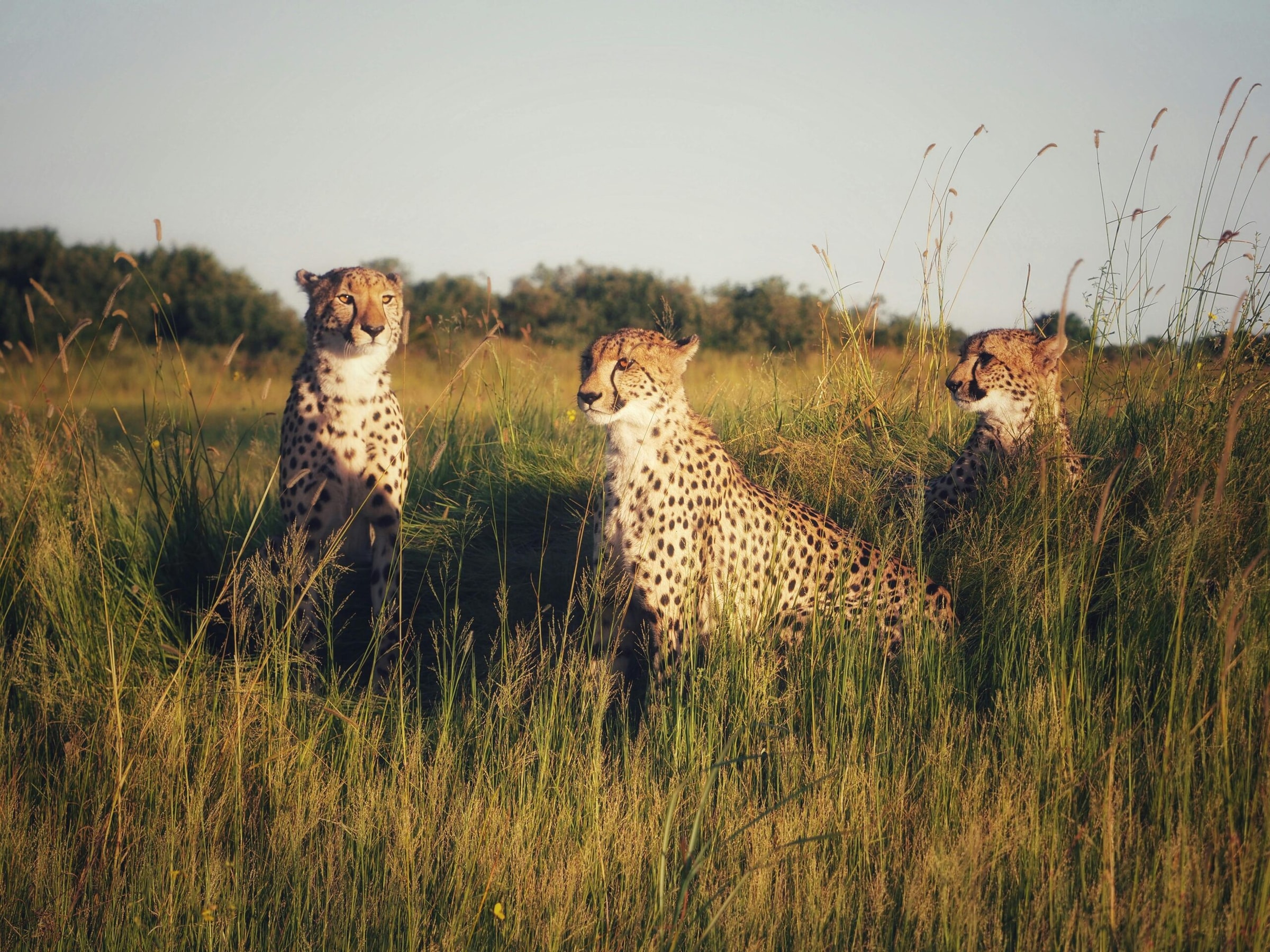
Tanzania·signature·10 days, 9 nights
Perfect for couples & families
From
$4,375.00pp
10 days, 9 nights
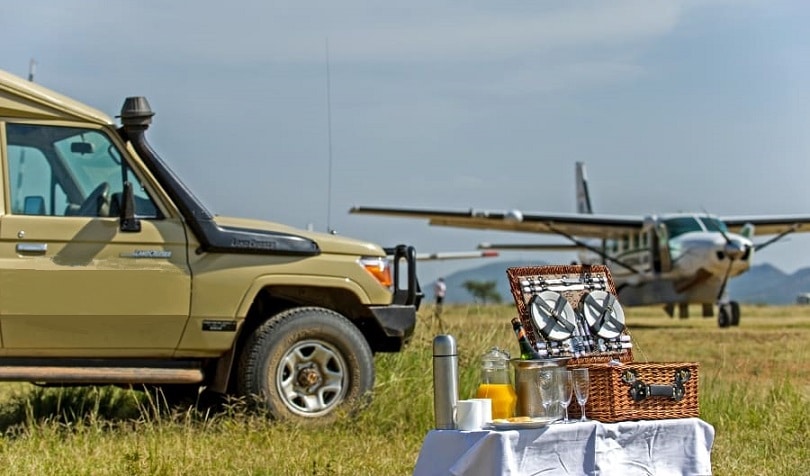
Tanzania·prestige·4 days, 3 nights
Perfect for couples & honeymoon
From
$2,018.00pp
4 days, 3 nights
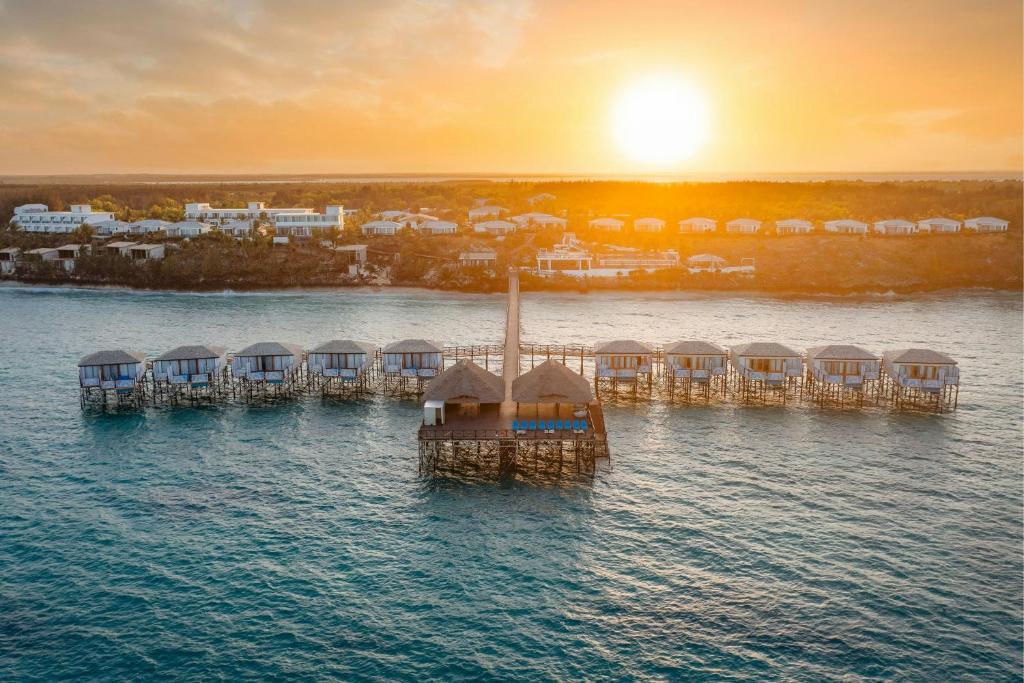
Tanzania·Essential·5 days, 4 nights
Perfect for couples & honeymoon
From
$1,750.00pp
5 days, 4 nights
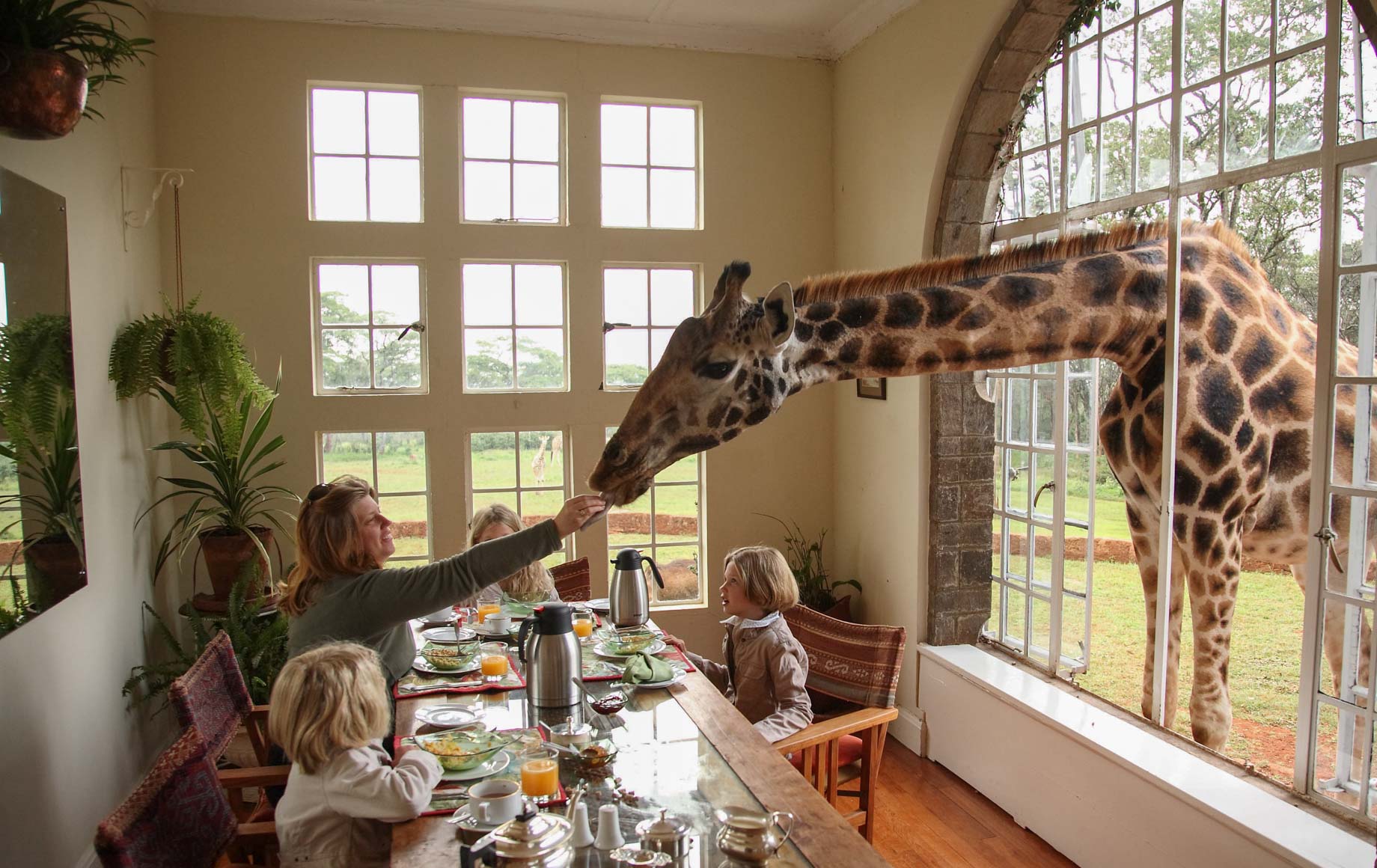
Tanzania·Luxury·12 days, 11 nights
Perfect for couples & families
From
$7,950.00pp
12 days, 11 nights
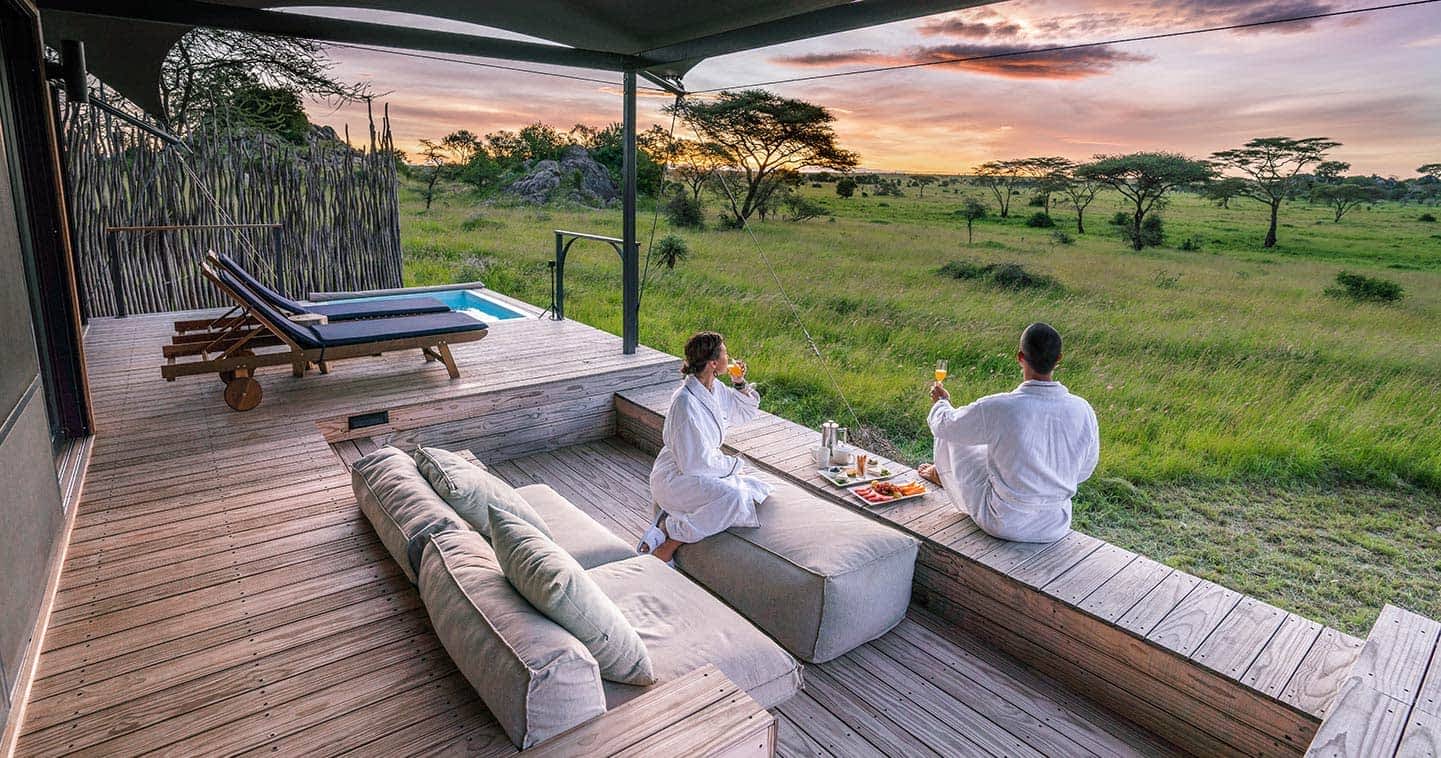
Tanzania·Essential·10 days, 9 nights
Perfect for honeymoon & couples
From
$3,150.00pp
10 days, 9 nights
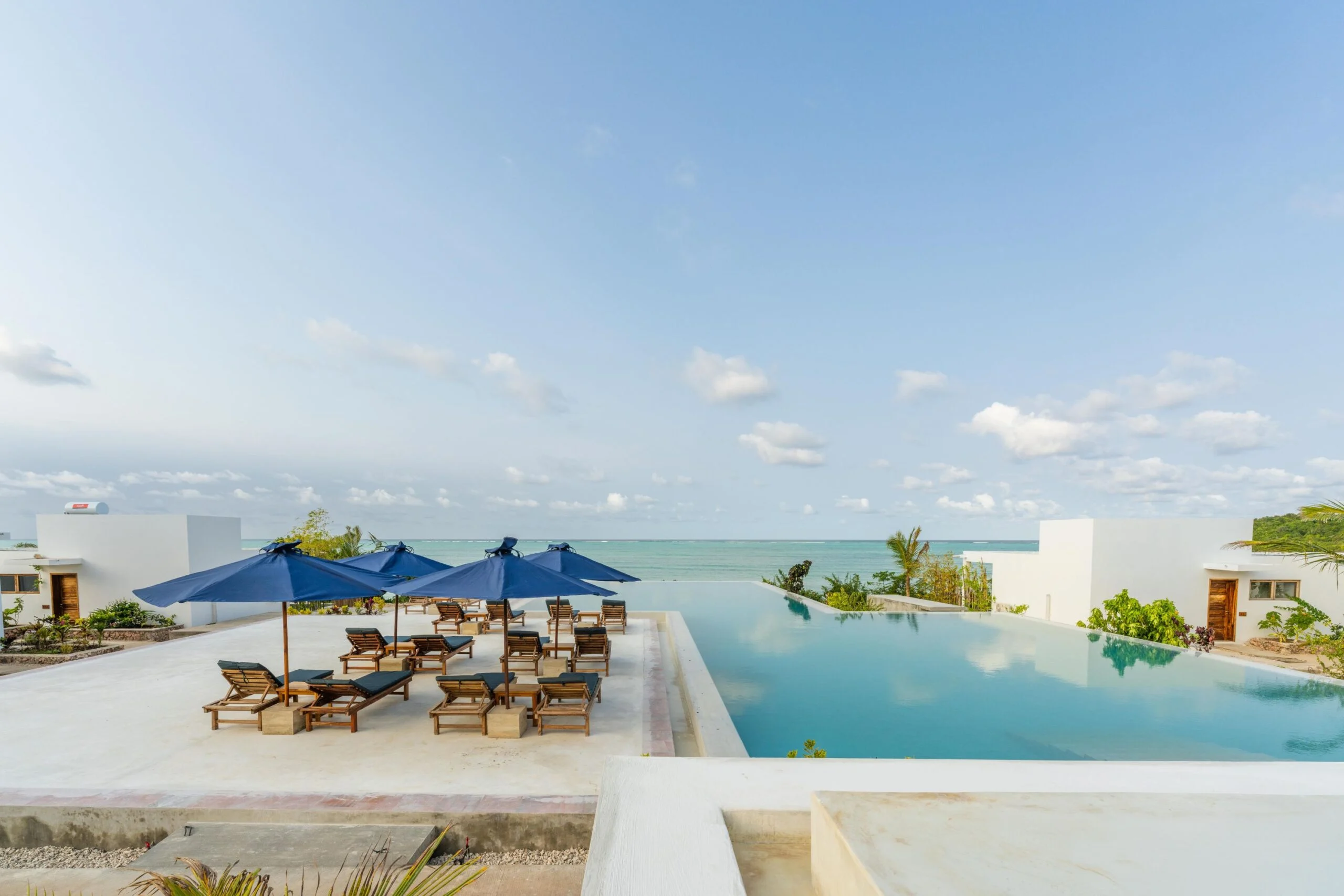
Tanzania·Essential·7 days, 6 nights
Perfect for couples & families
From
$2,450.00pp
7 days, 6 nights
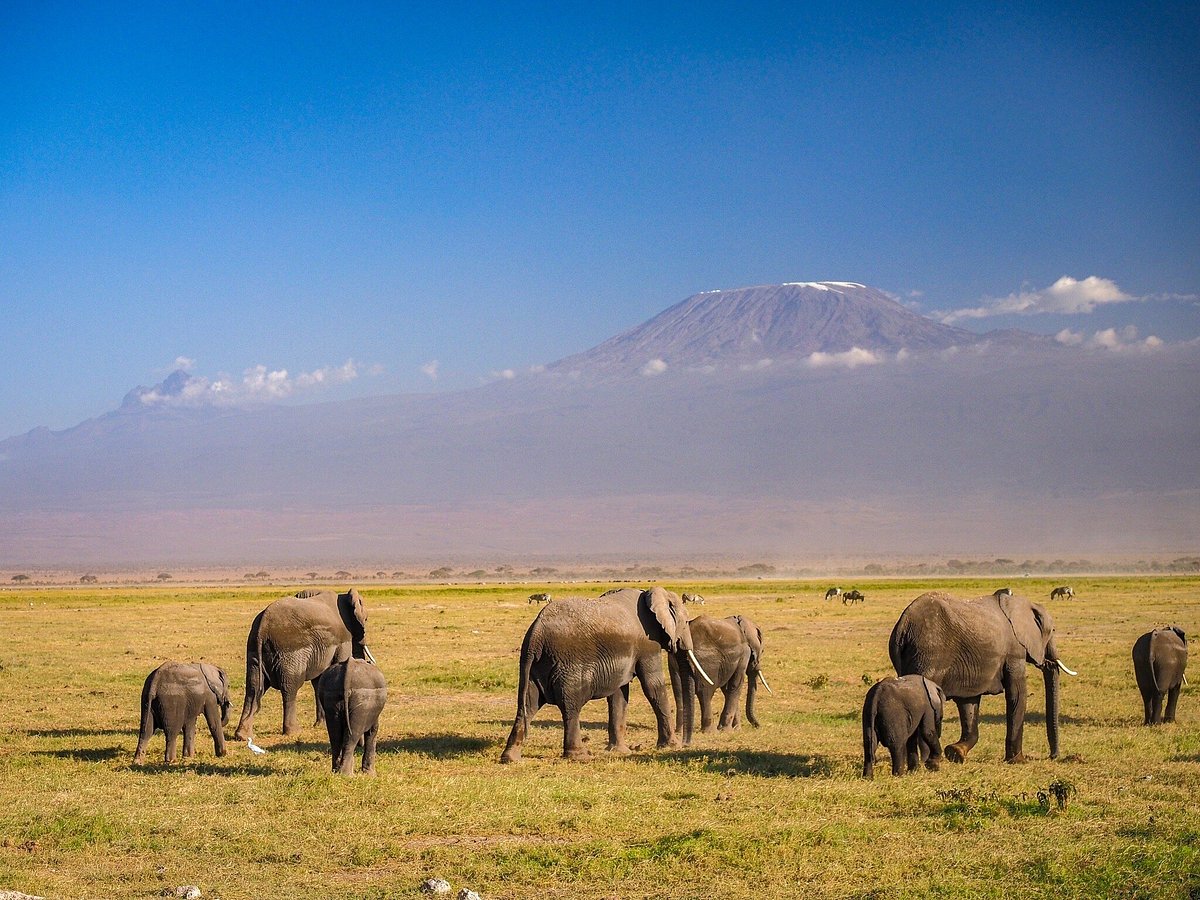
Tanzania·Essential·10 days, 9 nights
Perfect for couples & families
From
$3,850.00pp
10 days, 9 nights
Health & safety
Honest, practical guidance for your trip. See our full guide for more.
Tanzania is one of Africa's most settled and welcoming safari countries, and the parks themselves are among the safest places you will spend time in — you are with your guide from the moment you land until the moment you leave. Our team lives here year-round, so you are travelling with people who know the roads, the camps and the people running them, not with a company reading from a checklist. If anything changes on the ground, we know before you do.
Health & vaccinations
No vaccinations are required for entry unless you are arriving from a country with yellow fever risk, in which case a certificate is needed. Malaria is present in most safari areas, and we recommend discussing prophylaxis with your doctor before travel. Routine vaccinations should be up to date; hepatitis A and typhoid are commonly advised. Bottled water is provided throughout your safari. Please tell us about any medical conditions or dietary needs when we plan your trip — camps are very good at accommodating both when they know in advance.
Security
Safari areas are quiet and well managed. In Arusha, Zanzibar and other towns, use the same common sense you would anywhere: keep valuables out of sight, use hotel safes, and take taxis arranged by your lodge or our team at night. Your guide will brief you on park rules, which exist for your safety and the animals' — the most important one is simply to stay in the vehicle unless your guide says otherwise.
Travel insurance
Comprehensive travel insurance covering medical evacuation is required for all Emnel safaris. We can include AMREF Flying Doctors emergency evacuation cover on the itinerary on request, but this does not replace your own policy for medical treatment, cancellation and baggage.
Emergency contacts
Emnel 24/7 in-country line (WhatsApp): +255 758 500 037 Tanzania emergency services: 112 AMREF Flying Doctors (Nairobi control centre): +254 20 699 2000
Keep exploring
Other places our local experts know and love across the region.
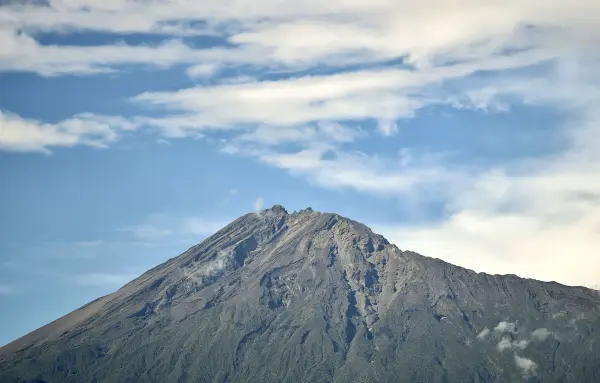
Arusha · Tanzania
Arusha is the gateway to northern Tanzania's safari circuit, set beneath Mount Meru and close to Arusha National Park. It is a natural starting point for private safaris, Kilimanjaro journeys and carefully planned Tanzania…
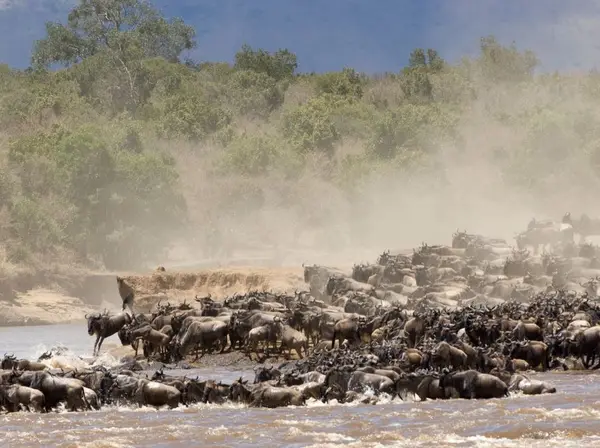
East Africa · Tanzania
Serengeti National Park is Tanzania's legendary wildlife destination, famous for the Great Wildebeest Migration, exceptional big-cat sightings and vast open plains. Explore the Serengeti on a private safari designed around the…
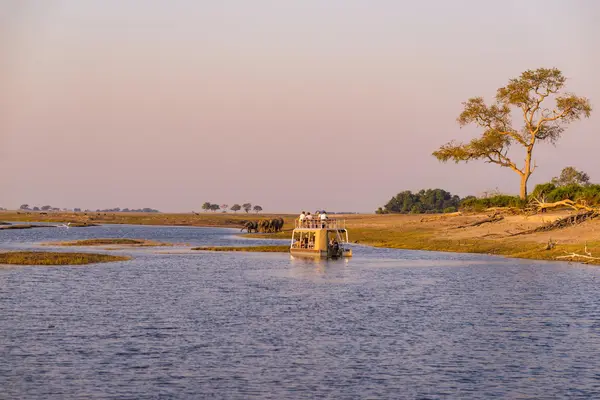
Northern Circuit · Tanzania
Northern Circuit · Tanzania
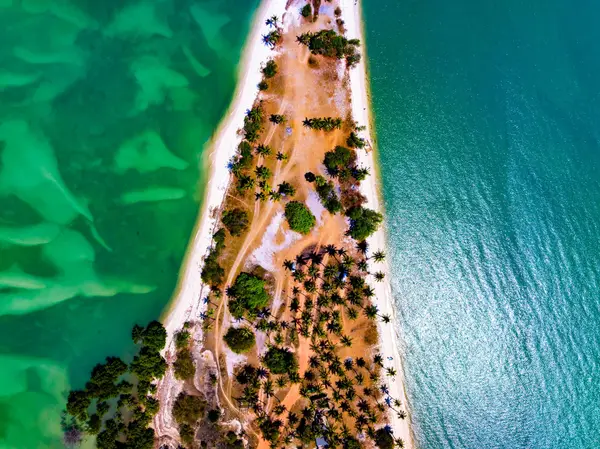
Coast & Islands · Tanzania
Tanzania's first marine park — a whale-shark stronghold, world-class diving on untouched reefs, and the quietest, most unhurried of the archipelago's islands.
Southern Circuit · Tanzania

Start planning
Tell us what you have in mind and a local expert will craft a tailored plan — no payment needed to start.