Recommended
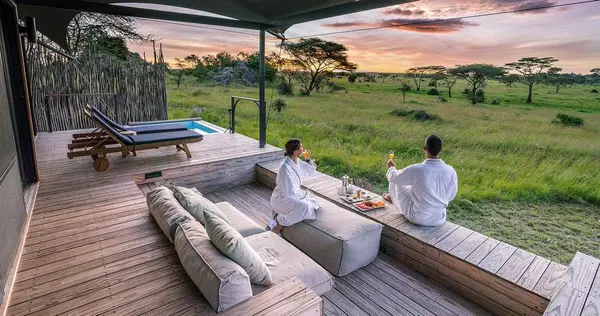
Tanzania 10-Day Tanzania Honeymoon Safari & Zanzibar
Tanzania·Essential·10 days, 9 nights
Beach extension Honeymoon
Perfect for honeymoon & couples
From
$3,150.00pp
10 days, 9 nights

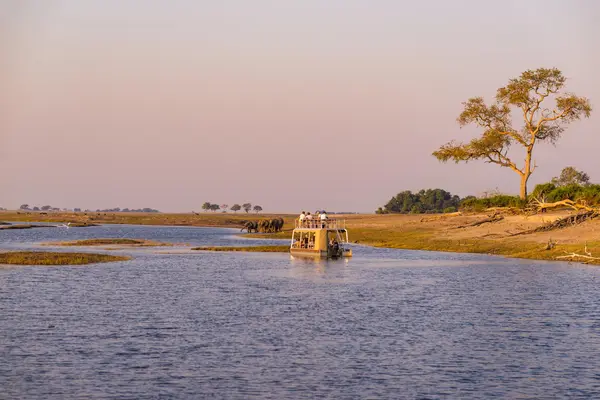
Northern Circuit · Tanzania
A remote Rift Valley soda lake near Ngorongoro and home to the Hadzabe hunter-gatherers and Datoga pastoralists — a deeply human counterpoint to the game drives of the north.
Overview
Lake Eyasi is a seasonal soda lake beneath the Eyasi escarpment, south-west of the Ngorongoro highlands. It is the home of the Hadzabe, among the last hunter-gatherers in Africa, and the Datoga, pastoralists and skilled metalworkers.
A visit here, arranged respectfully through the community, is about people rather than wildlife: an early-morning walk with Hadzabe hunters, time with Datoga blacksmiths and a stark, beautiful Rift Valley landscape. It fits naturally alongside a Ngorongoro Crater day on a northern Tanzania safari.
Country
Tanzania
Circuit
Northern Circuit
The travel guide
Last reviewed October 2026
Lake Eyasi at a glance
Lake Eyasi is not a wildlife destination. It is a hot, remote corner of the Rift Valley, a shallow soda lake that shrinks and grows with the seasons beneath a long escarpment, and the home of two communities whose ways of life are very different from anything else on a safari: the Hadzabe, among the last hunter-gatherers in Africa, and the Datoga, pastoralists known for their metalwork.
For guests interested in people as much as animals, it adds real depth to a northern Tanzania journey. It sits close to the Ngorongoro Crater, so it fits easily before or after a crater day.
A visit usually begins before dawn. Walking with a small group of Hadzabe men as they hunt with bows and arrows, or with the women as they gather roots and berries, offers an insight into a way of life that has persisted here for thousands of years. Later in the morning, a visit to a Datoga homestead shows how blacksmiths turn scrap metal into arrowheads and jewellery.
We are honest about the challenges. Hadzabe land and traditions are under pressure from farming, grazing and, at times, tourism itself. We only arrange visits through community-agreed channels, with fees paid to the community, small group sizes and a local guide who speaks the language. We encourage guests to ask questions, listen and take photographs only when invited.
Guide's Tip
Wear sturdy closed shoes and light, long clothing for the morning walk. The ground is thorny and rocky, and the group moves quickly when on the trail of game.
The lake itself varies dramatically: in the dry months it can shrink to a white salt pan, while after the rains it fills and may attract flamingos and other water birds. The escarpment, baobabs and onion farms around the lake's edge make for striking scenery, especially in early and late light.
Eyasi can be visited year-round. June to October is driest and most comfortable for walking; the green season from November to May brings lusher scenery but hotter, more humid days. Temperatures here are noticeably higher than on the Ngorongoro rim, so plan for heat.
Did You Know?
The Hadzabe language uses click consonants, and is not closely related to any other language spoken in East Africa today.
One night at Eyasi is ideal, staying at a small lodge or tented camp near the lake so you can be ready before sunrise. It can also be visited as a long day trip from Karatu, but the early start becomes very early.
We usually combine Eyasi with the Ngorongoro Crater, Lake Manyara and the Serengeti. Tell us what interests you and we will build Eyasi into your route in a way that respects the people you visit.
Safaris
Our most-travelled private safaris — any of them can be shaped to include Lake Eyasi.
Tanzania·Essential·10 days, 9 nights
Perfect for honeymoon & couples
From
$3,150.00pp
10 days, 9 nights
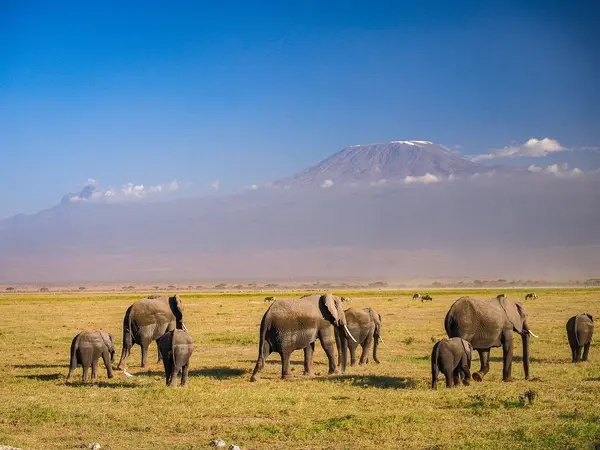
Tanzania·Essential·10 days, 9 nights
Perfect for couples & families
From
$3,850.00pp
10 days, 9 nights
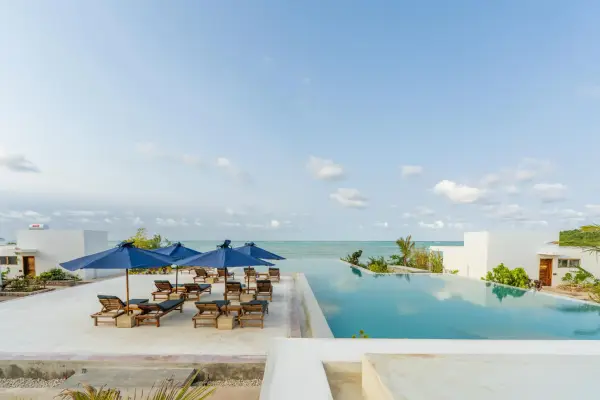
Tanzania·Essential·7 days, 6 nights
Perfect for couples & families
From
$2,450.00pp
7 days, 6 nights
Tanzania·signature·10 days, 9 nights
Perfect for couples & families
From
$4,375.00pp
10 days, 9 nights
Tanzania·signature·8 days, 7 nights
Perfect for families & multi-gen families
From
$4,900.00pp
8 days, 7 nights
Good to know
Honest, specific answers to the questions we're asked most about this destination.
General
Lake Eyasi can be visited year-round. June to October is driest and most comfortable for the early-morning walks with the Hadzabe. November to May is greener but hotter and more humid, and the roads can be rough after rain.
It can be, done well — through small groups, direct and transparent payment, and genuine respect for consent around photography and pacing. It can also be exploitative, done badly. We're glad to explain exactly how we structure our visits so you can judge for yourself.
They're among the last communities anywhere still substantially organised around hunting and gathering, though only a few hundred of the roughly 1,200–1,300 Hadzabe continue to forage as their primary livelihood today — worth knowing rather than assuming the whole community lives this way.
No — genuinely distinct peoples with different languages, histories and ways of life, typically visited separately on the same trip.
No. It's community land, not a protected area, which is part of why understanding land rights and consent matters so much more here than at the parks covered elsewhere in this series.
Visiting Responsibly
We pay hosting families and guides directly and transparently, and we'll explain exactly how that breaks down for any guest who asks before booking.
Yes, with consent asked before every photograph, and a willingness to put the camera away entirely when asked, including during parts of a hunt where it isn't appropriate.
No, and no honest guide should suggest otherwise. You're joining an actual morning, not a staged re-enactment timed to produce a result.
We keep groups to six guests or fewer specifically to avoid turning the encounter into something performed for a crowd.
Planning & Combining Destinations
One night, or a single well-timed day from a Karatu base, is generally sufficient — this isn't a multi-night destination in its own right.
By road, roughly two to three hours from Ngorongoro or Karatu, on tracks that can be rough after rain — a 4x4 and an experienced driver matter here.
Yes — Lake Eyasi works well as an add-on near Karatu, on the way to or from Ngorongoro's western approach or the Serengeti's southern plains.
For older children capable of a couple of hours' walking and sustained, attentive behaviour around photography and pacing, generally yes. It's less suited to very young children.
Keep exploring
Other places our local experts know and love across the region.
Arusha · Tanzania
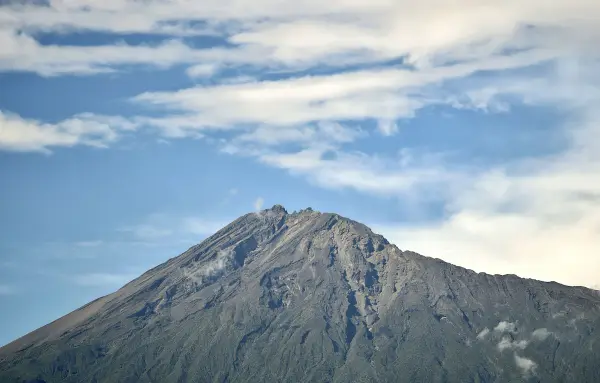
Arusha is the gateway to northern Tanzania's safari circuit, set beneath Mount Meru and close to Arusha National Park. It is a natural starting point for private safaris, Kilimanjaro journeys and carefully planned Tanzania…
East Africa · Tanzania
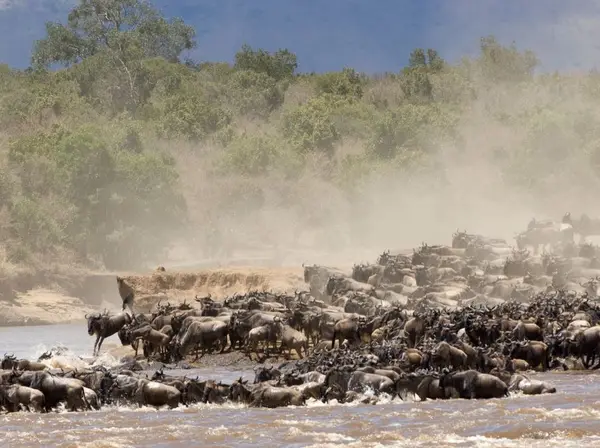
Serengeti National Park is Tanzania's legendary wildlife destination, famous for the Great Wildebeest Migration, exceptional big-cat sightings and vast open plains. Explore the Serengeti on a private safari designed around the…
East Africa · Tanzania
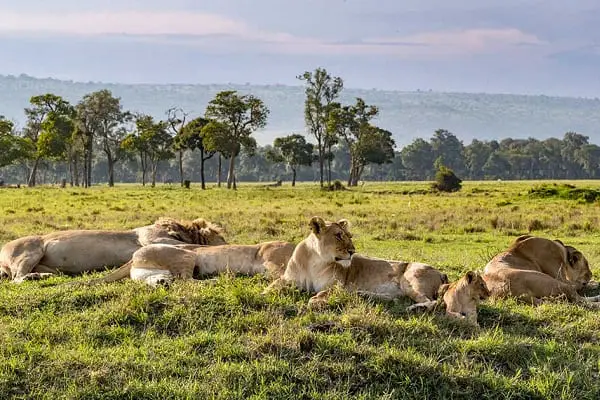
Tanzania is Africa's most complete safari country — the Serengeti and the Great Migration, the Ngorongoro Crater, Tarangire's elephants, the wild southern parks and Zanzibar's coast. Every Emnel safari here is private, and…
Northern Circuit · Tanzania
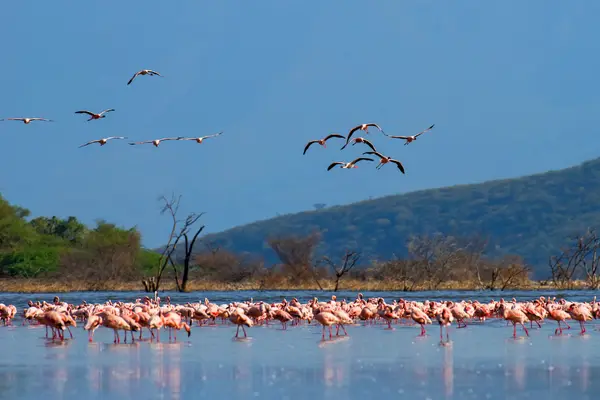
A compact Rift Valley park of groundwater forest, elephants, baboons and birdlife, famous for its tree-climbing lions — an easy first game drive on the road from Arusha to Ngorongoro.
Coast & Islands · Tanzania
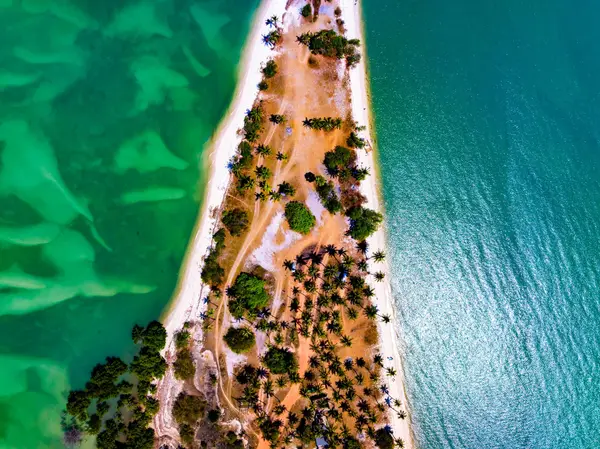
Tanzania's first marine park — a whale-shark stronghold, world-class diving on untouched reefs, and the quietest, most unhurried of the archipelago's islands.
Southern Circuit · Tanzania
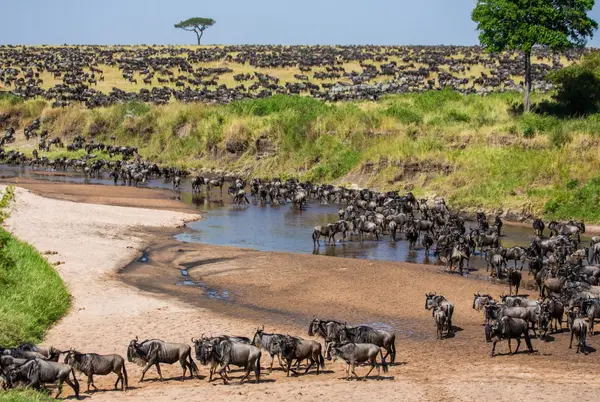
Southern Tanzania's most accessible safari: open floodplains with lions, elephants, giraffe and hippo pools, within reach of Dar es Salaam and Zanzibar.
Start planning
Tell us what you have in mind and a local expert will craft a tailored plan — no payment needed to start.